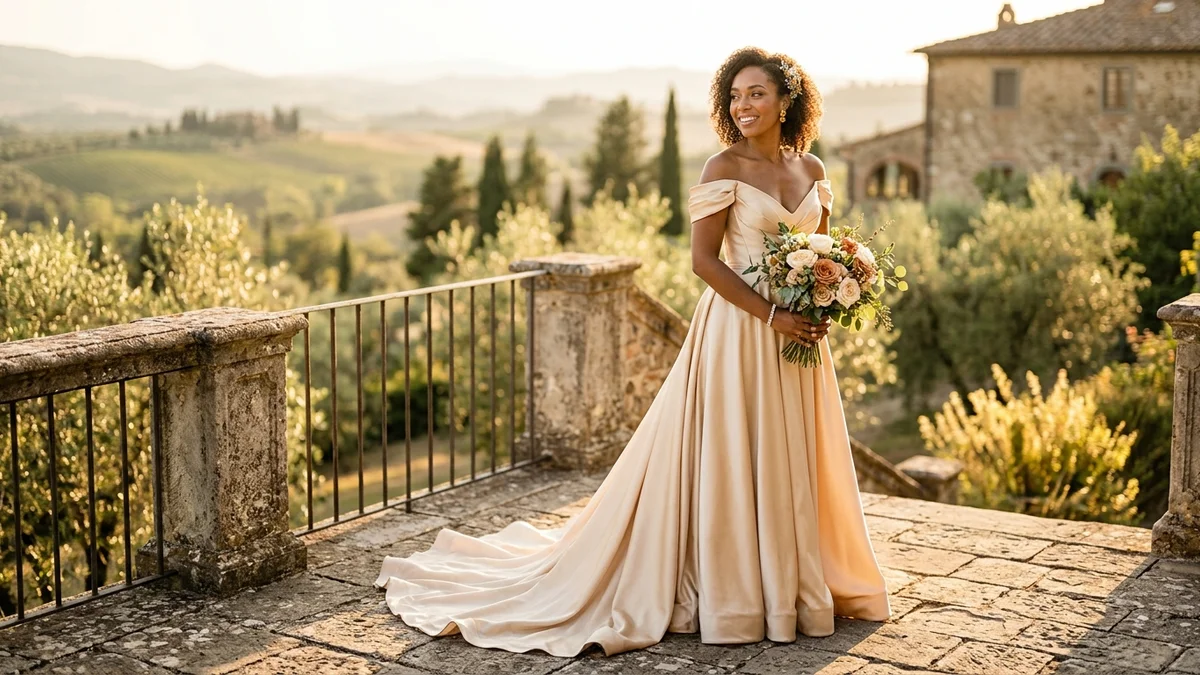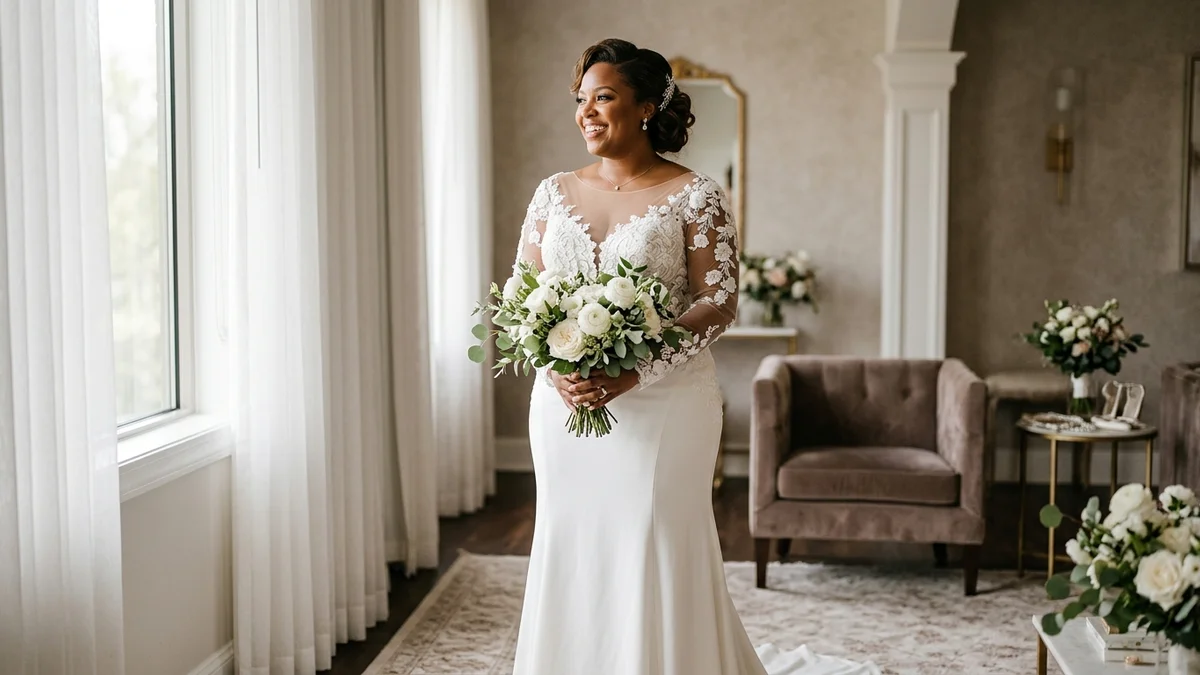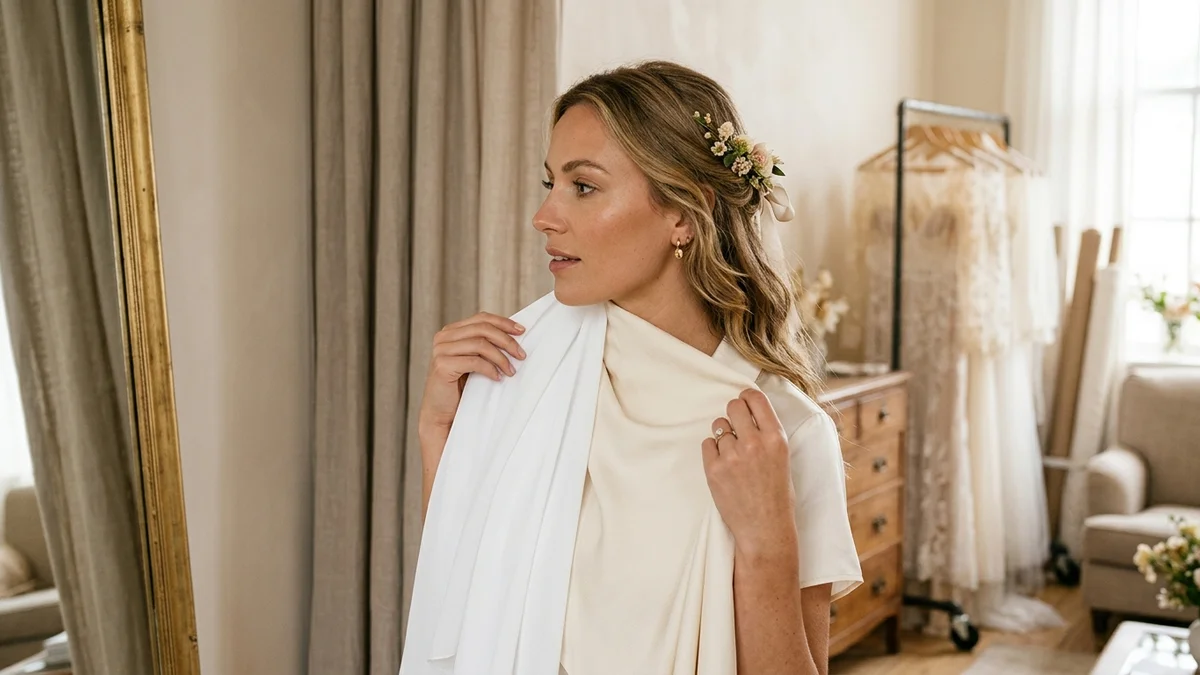
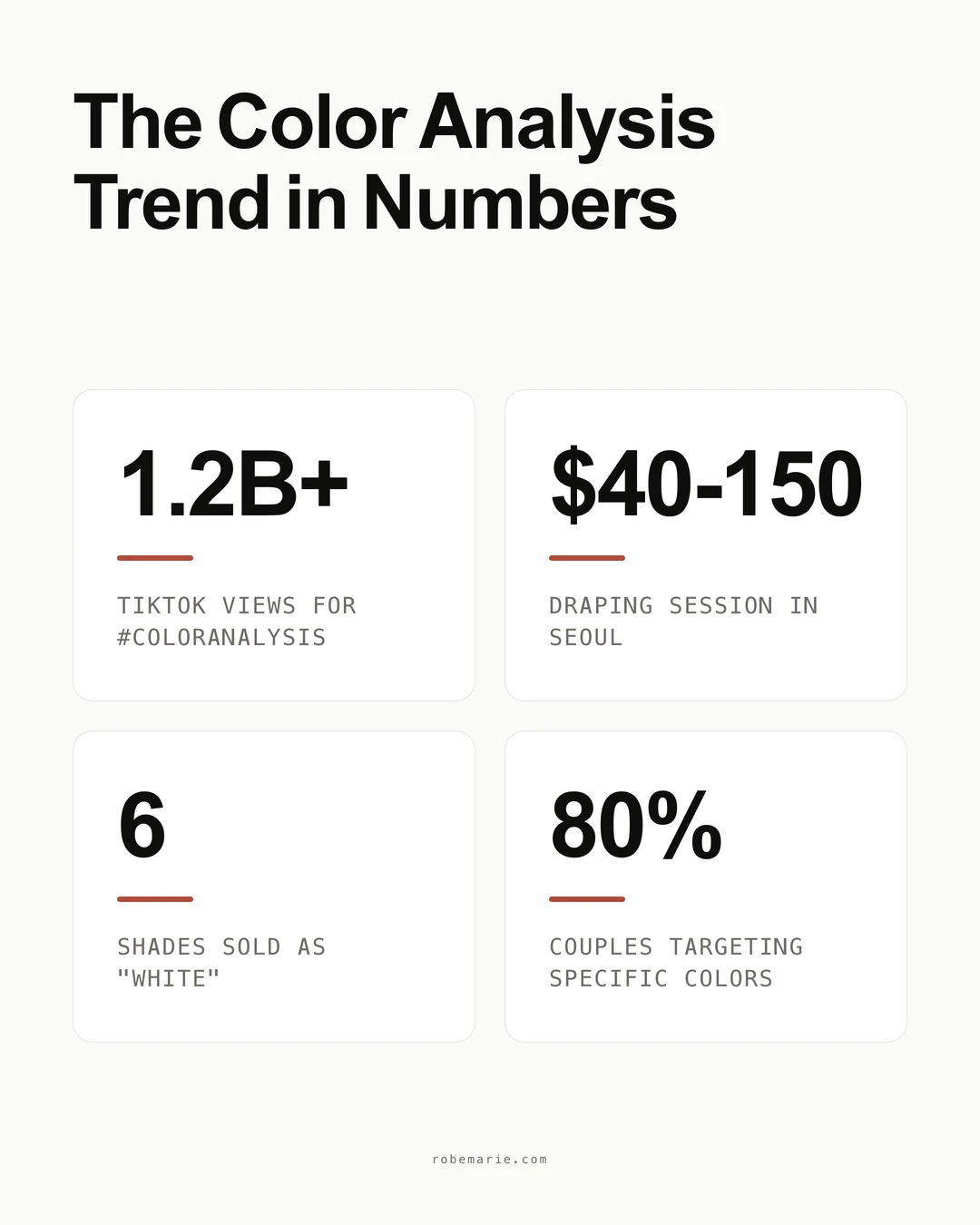
Somewhere on your feed, a woman holds a piece of fabric under her chin, swaps it for another, and her whole face changes. Tired becomes rested. Grey becomes glowing. That is color analysis, the trend behind more than a billion TikTok views, and brides have started asking the obvious question: if a scarf can do that to a face, what is my wedding dress doing to mine? Because here is the part nobody warns you about. White is not one color. It is a family of six, and one of them is quietly working against you.
Key Takeaway: Color analysis sorts people by undertone (warm, cool or neutral) and depth, then matches them to colors that make skin look alive. Applied to bridal, the stakes are simple: pure white flatters deep and olive skin but washes out fair skin, ivory flatters almost everyone, and champagne loves warm undertones. Rules get you a shortlist. Seeing the shade on your own photo gets you an answer.
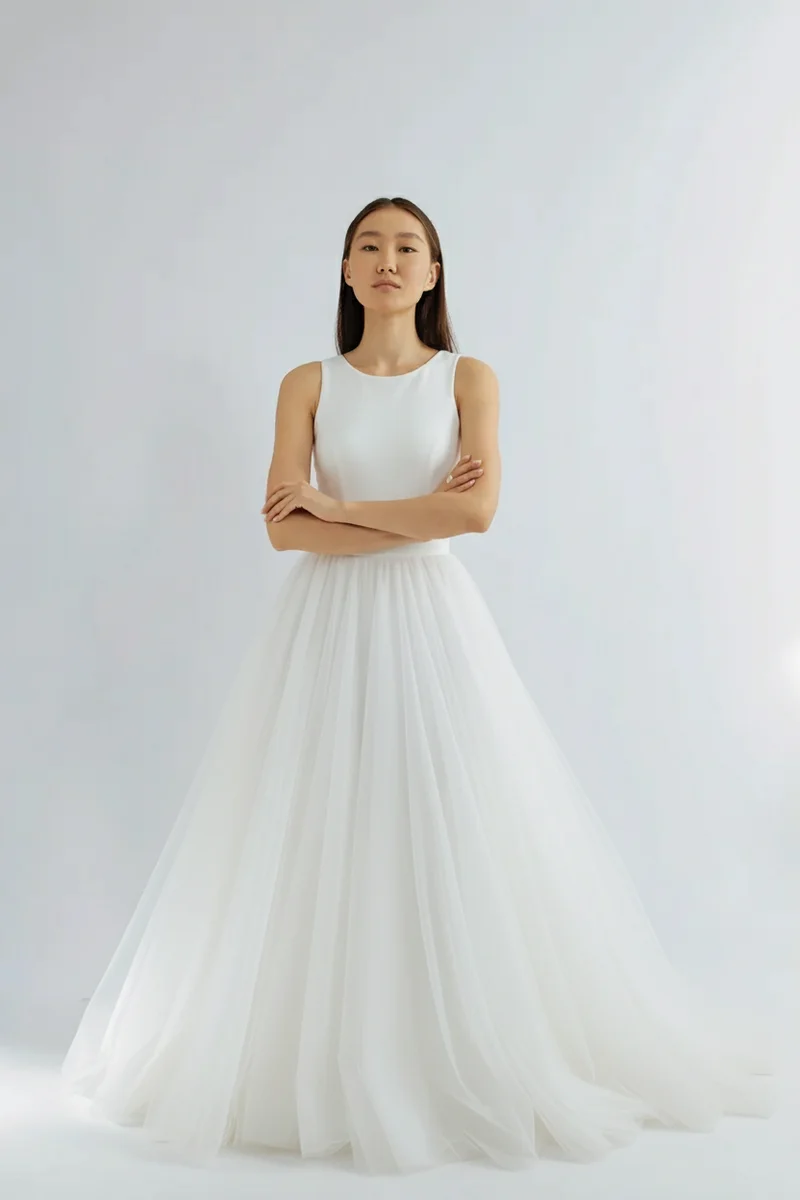
See this dress on you, before the boutique
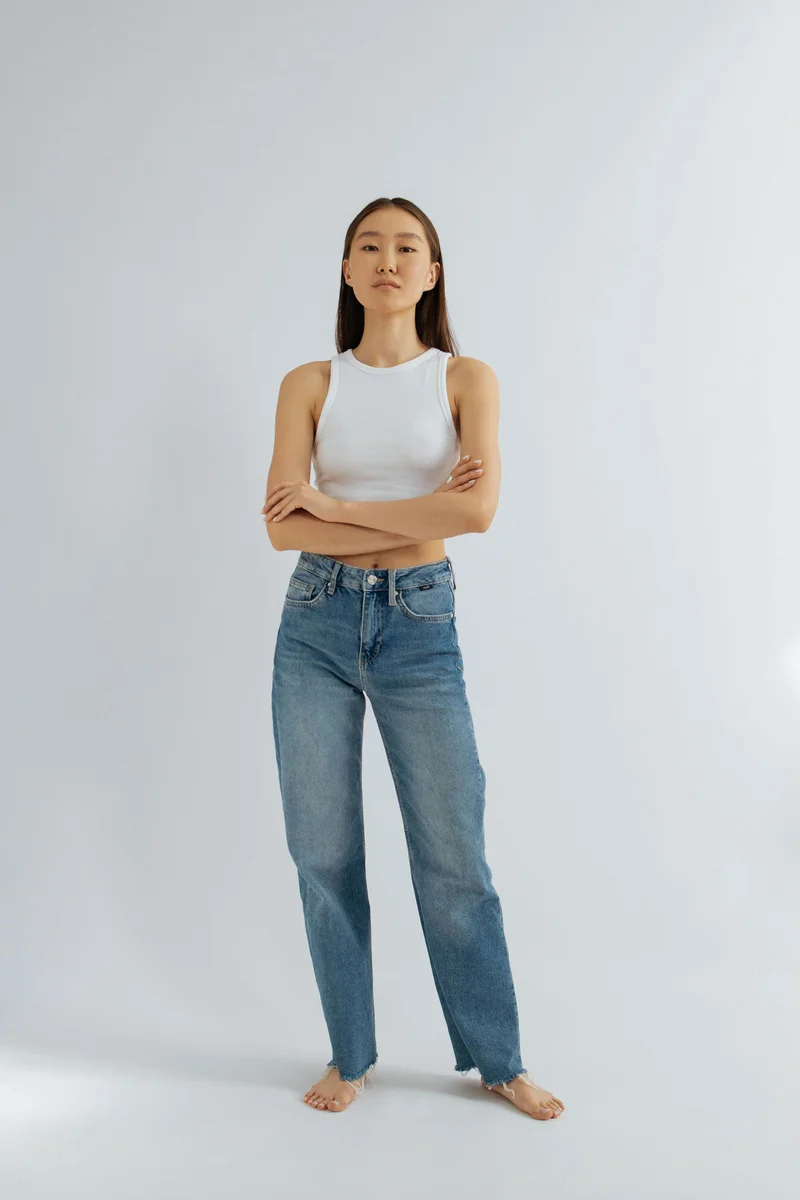
Upload one photo and preview this style on yourself in seconds. No appointment, no pressure.
 Her photo
Why Brides Are Suddenly Obsessed With Color Analysis
Seasonal color analysis is not new. The system dates back to the late 1970s, when image consultants started sorting people into four seasons: spring and autumn for warm undertones, summer and winter for cool ones. What is new is the scale. The hashtag #coloranalysis has passed 1.2 billion views on TikTok, and the Korean version of the practice, personal color analysis, became such a phenomenon that Time reported tourists flying to Seoul just to get draped. Studios there charge between 40 and 150 dollars for a session, and photo-based analyses from consultants can run over 200 dollars, according to a 2026 guide to the Seoul studios.
The logic underneath is worth two minutes of your time, because it is the same logic that decides how your dress photographs.
| Season | Undertone | Depth and contrast | The whites that love you |
|---|---|---|---|
| Spring | Warm | Light, bright | Ivory, cream |
| Summer | Cool | Light, soft | Diamond white, soft ivory |
| Autumn | Warm | Deep, muted | Champagne, cream, warm ivory |
| Winter | Cool | Deep, high contrast | Pure white, diamond white |
Notice what that table just did. It took "white wedding dress", the thing everyone treats as a single decision, and split it into four different answers depending on the bride. That is the entire reason this trend matters for you.
And weddings are already a color-driven event. The Knot's 2025 Real Weddings Study, built on data from nearly 17,000 couples, found that 80% of couples deliberately target specific wedding colors. The palette planning is happening. It just usually skips the one garment that is in every single photo.
Ivory vs White Wedding Dress: What You Are Actually Choosing Between
Walk into any salon, or scroll any bridal site, and you will meet at least six shades wearing the name "white". They are not interchangeable, and designers do not use the labels consistently, which is why so many brides order one dress and receive another.
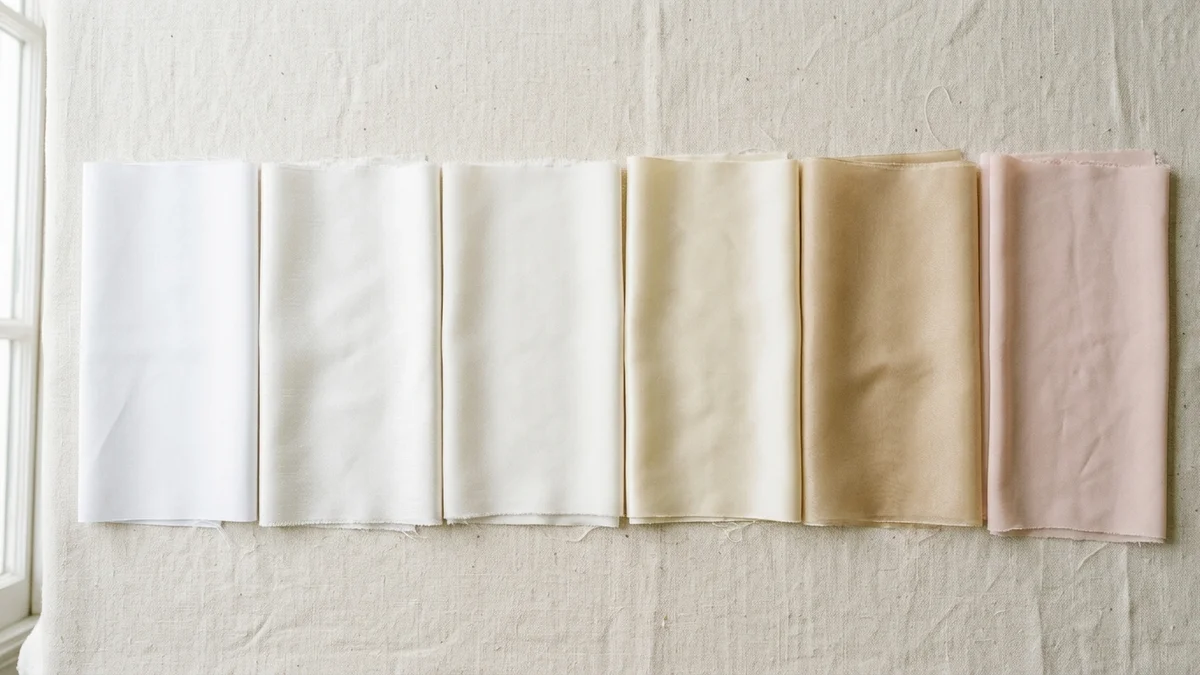
| Shade | What it really is | Flatters most | The risk |
|---|---|---|---|
| Pure white | Stark, blue-leaning optical white | Deep skin, olive and golden undertones | Washes out fair, cool skin |
| Diamond white | Pure white with the edge softened | The most forgiving cool white | Can still read harsh in flash photos |
| Ivory | White warmed with a drop of cream | Almost everyone, especially fair skin | Looks flat in dull light |
| Cream | Ivory pushed further toward yellow | Warm, golden undertones | Turns cool skin sallow |
| Champagne | Gold and beige undertones | Tanned, olive and deep warm skin | Reads beige next to a true white |
| Blush | White with a pink cast | Cool, pink undertones | Reads as a colored dress, not a white one |
If champagne is calling your name, we broke that shade down completely, including linings and how it photographs, in our champagne wedding dress guide. And if you are deciding between white and ivory for a non-bridal occasion, the white dress guide covers the everyday version of the same question.
The point to hold onto: the label on the tag matters less than the undertone of the fabric against the undertone of your skin. Which brings us to yours.
How to Find Your Undertone at Home
Undertone is not how light or deep your skin is. It is the cast underneath: golden, pink or genuinely in between. Depth and undertone are two separate dials, and you need both to pick your white. Four tests, two minutes, no equipment:
- The vein test. Look at the veins inside your wrist in daylight. Green means warm. Blue or purple means cool. Cannot decide? That is a real answer: neutral.
- The jewelry test. Gold making your skin glow points warm. Silver looking cleaner points cool. Both working equally is neutral again.
- The sun test. Skin that tans easily and rarely burns leans warm or olive. Skin that burns pink first leans cool.
- The paper test. Hold a sheet of white printer paper next to your bare face in daylight. If your skin looks yellowish against it, you are warm. If it looks pink or rosy, you are cool. If it just looks like your face, welcome to neutral.
Two honest caveats before you take the result and run. First, these tests were built around lighter skin, and the classic seasonal system has a documented history of shrugging at deeper complexions and calling them all "winter". If you have deep skin, treat the seasons as a loose map, not a verdict: you likely carry both high contrast and warmth better than any chart admits. Second, olive skin breaks the rules on purpose. It carries a warm surface over a cool base, which is exactly why one consultant will swear you need pure white and the next will swear you need champagne.
Which Shade of White for Your Skin Tone
Now put undertone and depth together. This is the table to screenshot before any salon appointment:
| Your skin | Best whites | Wear with care | Why |
|---|---|---|---|
| Fair with cool undertone | Ivory, diamond white, blush | Pure white | Stark white drains the little warmth fair skin has; ivory gives it back |
| Fair with warm undertone | Ivory, cream | Pure white, blush | Cream echoes the gold in your skin instead of fighting it |
| Medium with warm or golden undertone | Ivory, cream, champagne | Stark pure white | Warm whites amplify the glow you already have |
| Olive | Warm ivory, champagne, soft white | The extremes: harsh pure white or heavy cream | Olive reads warm and cool at once, so mid-warmth shades are safest |
| Deep with warm undertone | Champagne, gold-tinged ivory, pure white | Muddy beige tones | Contrast is your superpower; both crisp white and rich champagne use it |
| Deep with cool undertone | Pure white, diamond white | Yellowed creams | Maximum contrast, maximum drama, this is who stark white was made for |
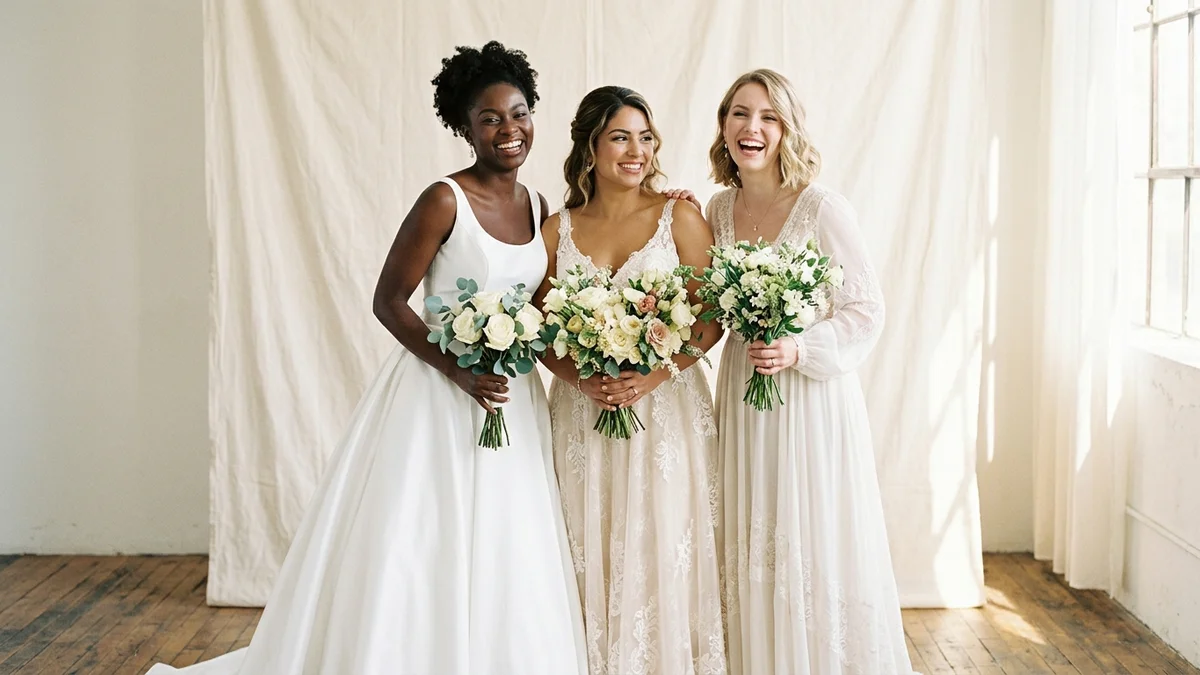
One more thing the charts never mention: your dress is never photographed alone. The veil sitting directly against it can make a warm ivory look dirty if the veil is optical white, which is why matching them is its own small science. Our wedding veil guide covers it, and the same logic extends to the jewelry test above: warm undertones tend to glow in gold and pearl, cool undertones in silver and platinum.
Your Season Decides More Than the Dress
Once you know your season, the rest of the wedding palette falls into place with almost suspicious ease. The colors that flatter you as a bride are cousins of the colors that will flatter your wedding party standing next to you.
| Your season | Bridesmaid palette that harmonizes | Metals and details |
|---|---|---|
| Spring | Butter yellow, blush, soft sage | Gold, warm pearl |
| Summer | Dusty blue, dusty rose, lilac | Silver, soft platinum |
| Autumn | Terracotta, chocolate, sage green | Antique gold, copper |
| Winter | Emerald, burgundy, navy | Silver, white gold |
We built a free color harmonizer that does this matching for your bridal party, and the champagne bridesmaid dresses guide digs into the one palette that flatters nearly every mixed group.
The Problem With Every Rule in This Article
Here is the uncomfortable truth from someone who just spent five sections giving you rules: the rules disagree. On olive skin, respected sources give opposite advice. On fair skin, "ivory always works" collides with brides who tried ivory and found it made them look unwashed. Even the professionals hedge, and the draping consultants themselves will tell you the drape test exists precisely because charts fail on real faces.
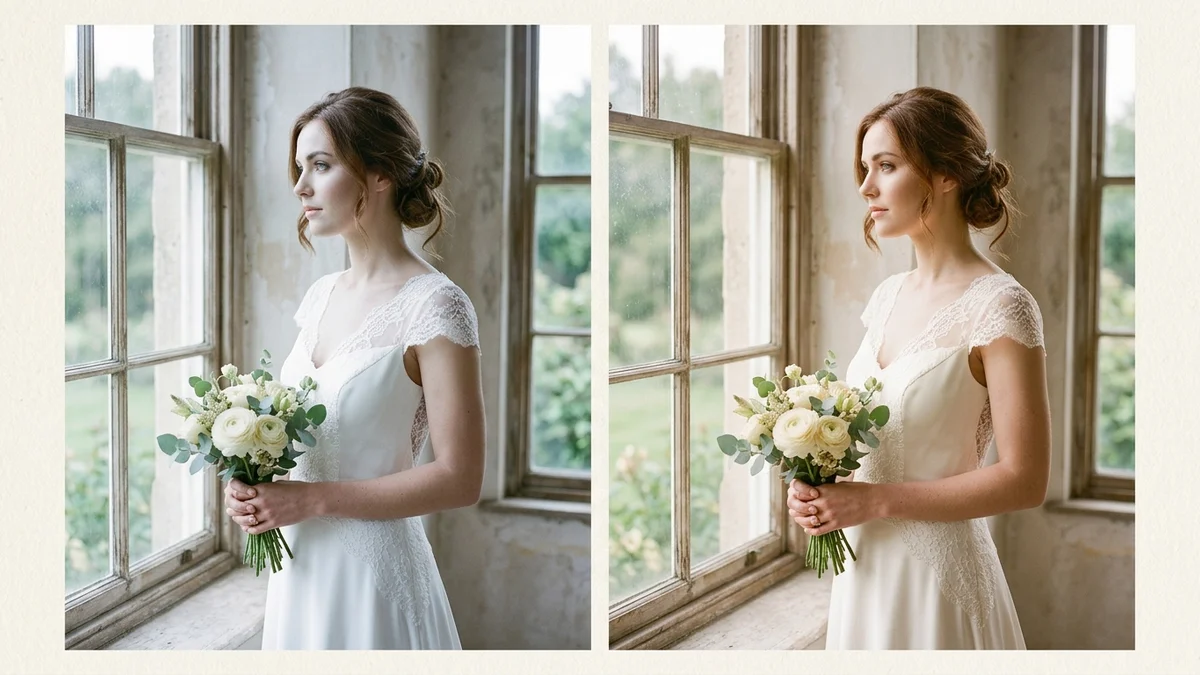
Boutiques know this. Their answer is "come in and try", which is honest, and also means booking appointments, traveling, and standing under salon spotlights that flatter nothing. The internet's answer is a quiz that ends in a PDF palette. Better than nothing. Still not a dress on your body.
This is the exact gap virtual try-on closes. Upload one photo and see the same gown in pure white, ivory, champagne or blush, on you, in your lighting, with your skin doing the talking. Not a swatch under your chin, not a model whose coloring is nothing like yours: the actual full-length draping test the trend made famous, run on the one garment where it matters most. Two minutes, and the argument between the charts is settled by your own eyes.
If you want a head start before uploading anything, our free bridal color analysis quiz walks you through the undertone tests above and hands you your season, your two best whites, and the shade to skip.
Frequently Asked Questions
What is bridal color analysis?
Bridal color analysis applies seasonal color analysis to wedding attire. It identifies your undertone (warm, cool or neutral) and your depth, assigns you a season, and uses that to predict which shade of white, from pure white through ivory to champagne, will make your skin look luminous instead of washed out.
Should I wear ivory or white for my skin tone?
As a rule of thumb, fair and cool-toned skin looks better in ivory, which adds warmth, while deep and olive skin carries pure white beautifully thanks to contrast. Warm and golden undertones shine in cream and champagne. Neutral undertones can wear nearly the whole family. The exceptions are common enough that seeing both shades on yourself beats any rule.
How do I find my undertone for a wedding dress?
Use three quick checks in daylight: wrist veins (green suggests warm, blue suggests cool), jewelry (gold flattering warm, silver flattering cool), and a sheet of white paper held next to your face (skin looks yellowish against it if warm, rosy if cool). If the tests disagree, you are likely neutral, which widens your options rather than narrowing them.
What color wedding dress is best for pale skin?
Ivory is the safest brilliant choice for pale skin: the drop of warmth keeps you from disappearing into the dress. Diamond white and blush also work. The shade to approach carefully is stark pure white, which tends to wash out fair complexions, especially in flash photography.
What color wedding dress suits olive skin?
Olive skin combines a warm surface with a cool base, which is why advice on it contradicts itself. Warm ivory, champagne and soft off-whites are the reliable middle ground. The two extremes, harsh optical white and heavy yellow cream, are the risky ends. Olive skin is the single strongest case for testing shades on your own photo before deciding.
Is color analysis accurate or just a trend?
The framework is real: undertone and contrast measurably change how colors sit against skin, and stylists have used draping for decades. The trend layer on top, filters and 60-second verdicts, is less reliable, and the classic system has known blind spots with deeper skin tones. Treat your season as a strong starting shortlist, then confirm with your eyes.
Can I do a color analysis online for free?
Yes. Free quizzes assess your undertone through questions, and photo tools estimate your season from a selfie. Our free color analysis quiz is built specifically for brides: it maps your answers to the shades of white and the bridesmaid palette that fit your season, then lets you check the result on your own photo with virtual try-on.
Your face already knows its answer. The charts narrow it down, the quiz narrows it further, and one photo settles it. Save this guide for your fitting, and let your skin make the final call.