Finding the right bridal dress shop can feel just as overwhelming as choosing the dress itself. With thousands of bridal boutiques, online retailers, and chain stores competing for your attention, knowing where to start makes all the difference. Bridal dress shops range from intimate boutiques carrying exclusive designers to large-scale retailers offering hundreds of gowns at every price point. The key is matching a shop's strengths to your personal style, budget, and timeline. In this complete guide, we break down every type of bridal dress shop, share expert tips for appointments, and reveal how modern tools like virtual try-on technology can streamline your entire search.
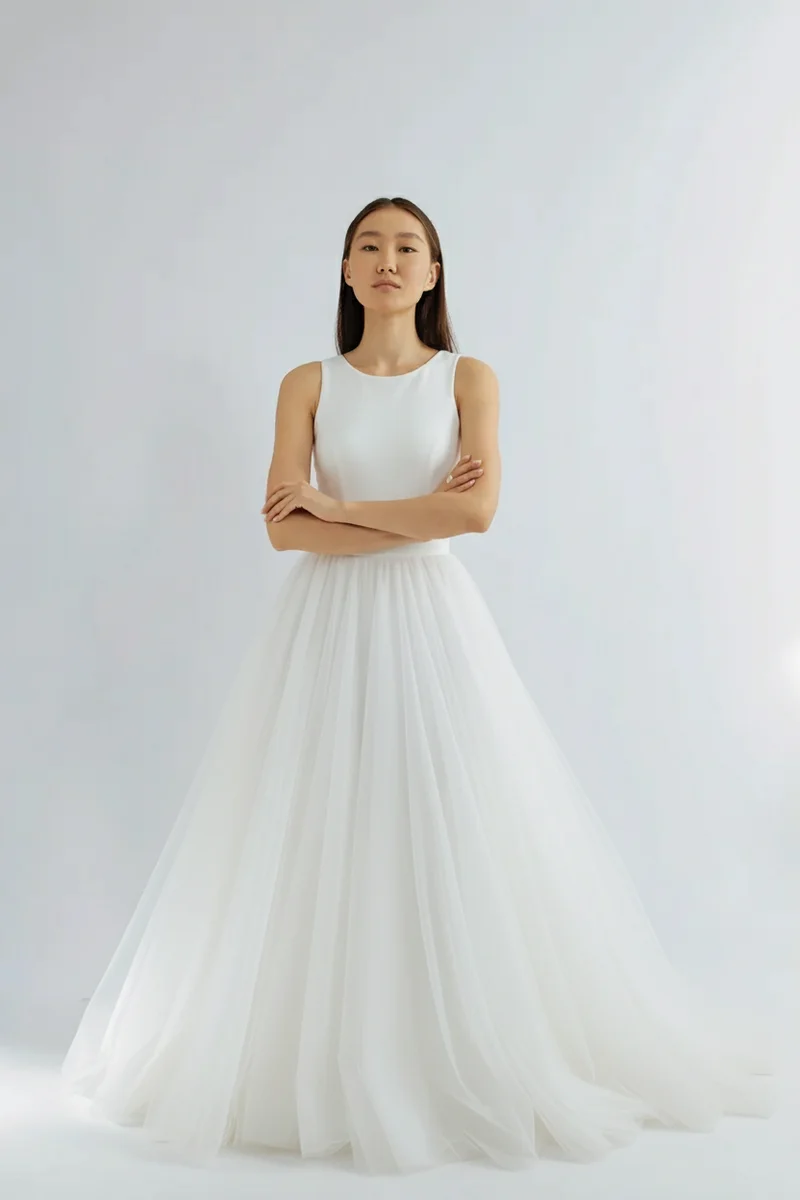
See this dress on you, before the boutique
Upload one photo and preview this style on yourself in seconds. No appointment, no pressure.
 Her photo
What Are the Different Types of Bridal Dress Shops?
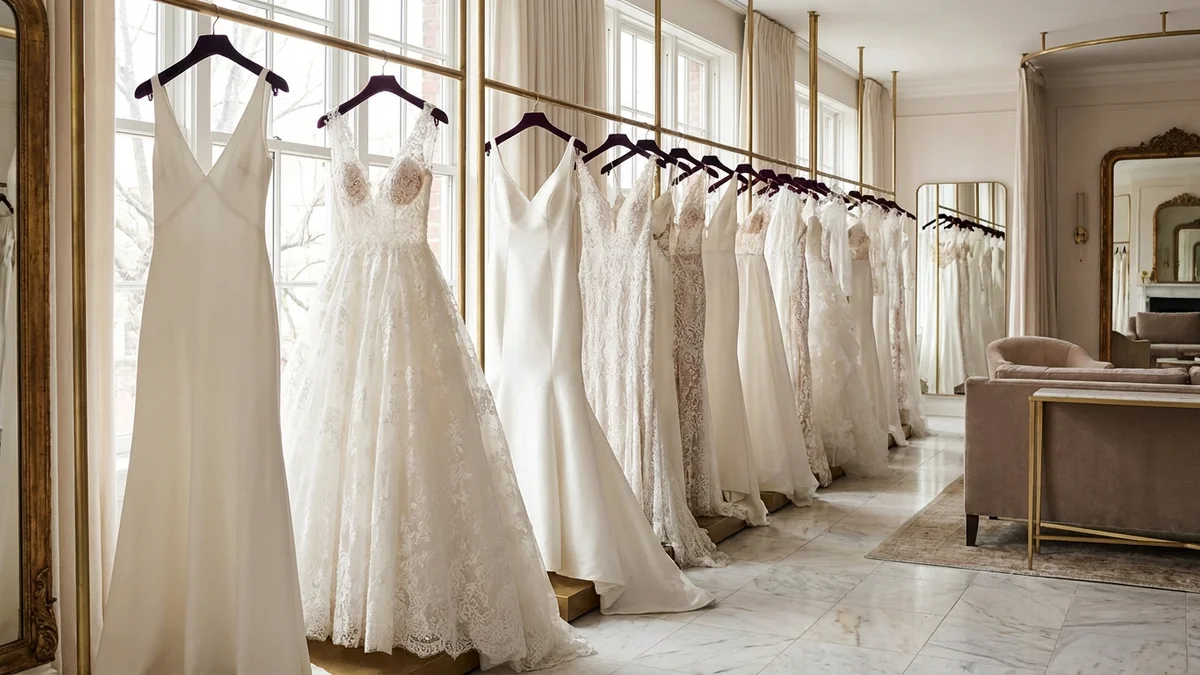
Bridal dress shops fall into several distinct categories, each offering a unique shopping experience and price range. Understanding the differences helps you decide where to invest your time and energy. Boutique bridal salons provide curated collections with personalized service, while chain retailers offer wider selections at more accessible prices. Online shops add convenience, and sample sales deliver luxury gowns at steep discounts.
| Shop Type | Price Range | Selection Size | Personalization | Best For |
|---|---|---|---|---|
| Bridal Boutique | $1,500 - $8,000+ | 200 - 500 gowns | High (dedicated stylist) | Brides wanting a curated, intimate experience |
| Chain Retailer (David's Bridal, BHLDN) | $300 - $3,000 | 500 - 1,500+ gowns | Medium | Budget-conscious brides needing variety |
| Online Retailer (Azazie, Cocomelody) | $100 - $2,000 | 1,000+ styles | Low to medium | Tech-savvy brides, remote shoppers |
| Sample Sale / Consignment | $200 - $2,000 | Varies | Low | Brides on tight budgets or timelines |
| Designer Flagship (Kleinfeld, Vera Wang) | $3,000 - $25,000+ | 500+ gowns | Very high | Luxury brides, celebrity experience |
Bridal Boutiques
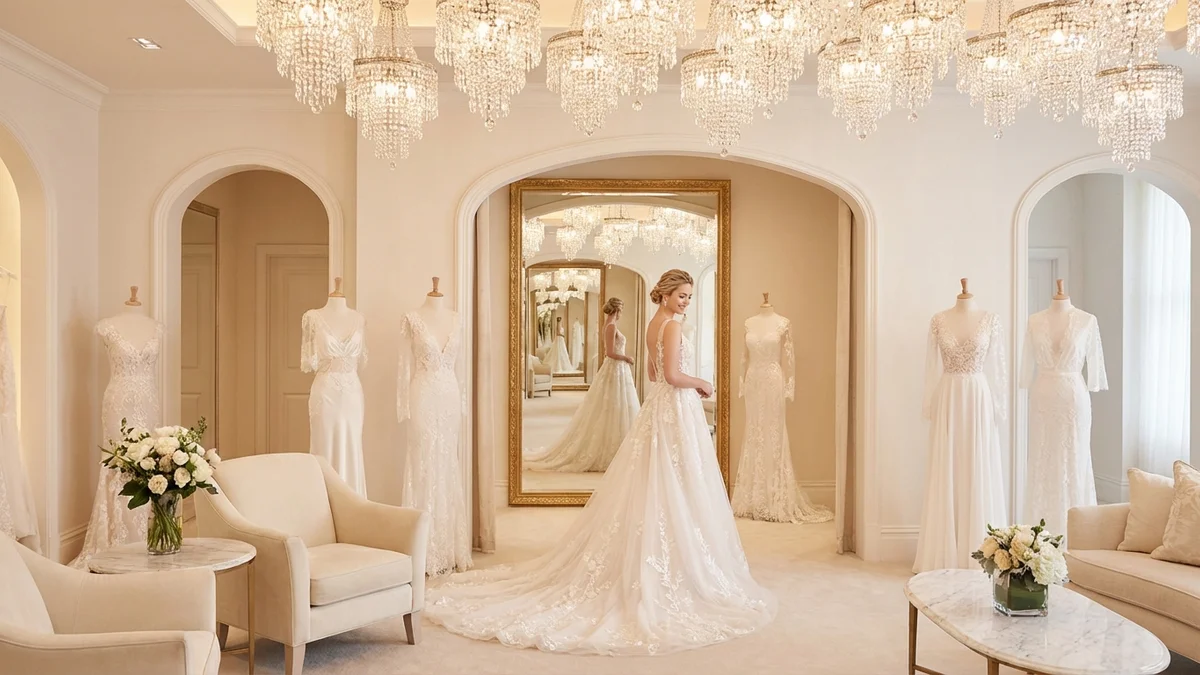
Independent bridal boutiques are the most popular choice for dress shopping. They carry hand-selected collections from a handful of designers, ensuring each gown meets a quality standard. Most boutiques limit appointments to one bride at a time, creating a private and emotional experience. The trade-off is a smaller selection and typically higher prices to cover the personalized service.
Chain Bridal Retailers
Stores like David's Bridal and BHLDN by Anthropologie operate hundreds of locations nationwide. They offer walk-in availability, off-the-rack purchasing, and standardized sizing. Chain stores are ideal for bridesmaids shopping together, rushed timelines, or brides who want to try many styles without committing to appointments.
Online Bridal Shops
Retailers like Azazie, Avery Austin, and Cocomelody have transformed the industry with made-to-order gowns at fraction-of-boutique prices. Many offer home try-on programs where you receive sample dresses to test before ordering. The downside is sizing uncertainty and the inability to feel fabrics in person.
Sample Sales and Consignment
Stores like Stillwhite and Luxe Redux Bridal sell pre-owned or sample gowns from top designers at 40-90% off retail. These shops require flexibility on size and style but deliver extraordinary value for budget-minded brides.
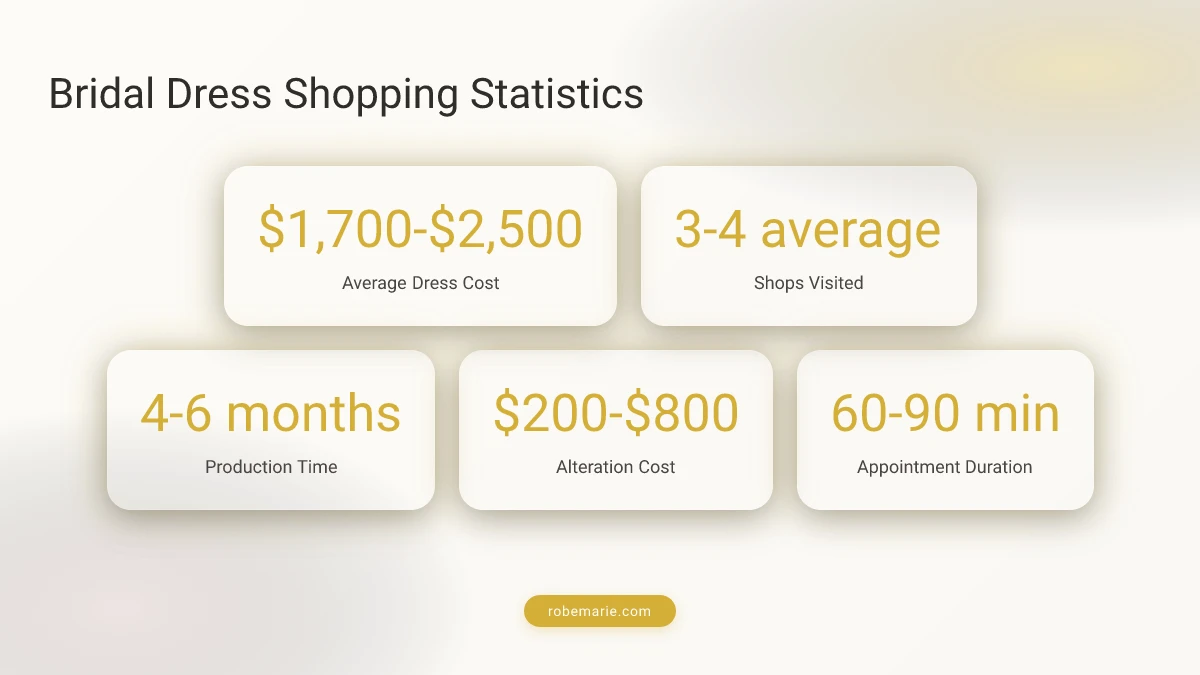
According to The Knot's Real Weddings Study, the average American bride spends between $1,700 and $2,500 on her wedding dress. Choosing the right type of shop can mean the difference between a $500 gown and a $5,000 one for similar quality.
How Do I Choose the Right Bridal Dress Shop?
The right bridal dress shop aligns with your budget, preferred designers, body type needs, and overall wedding vision. Start by defining your non-negotiables, whether that is a specific designer, a price ceiling, or inclusive sizing. Then research shops that match those criteria through online reviews, social media, and personal recommendations from recently married friends and family.
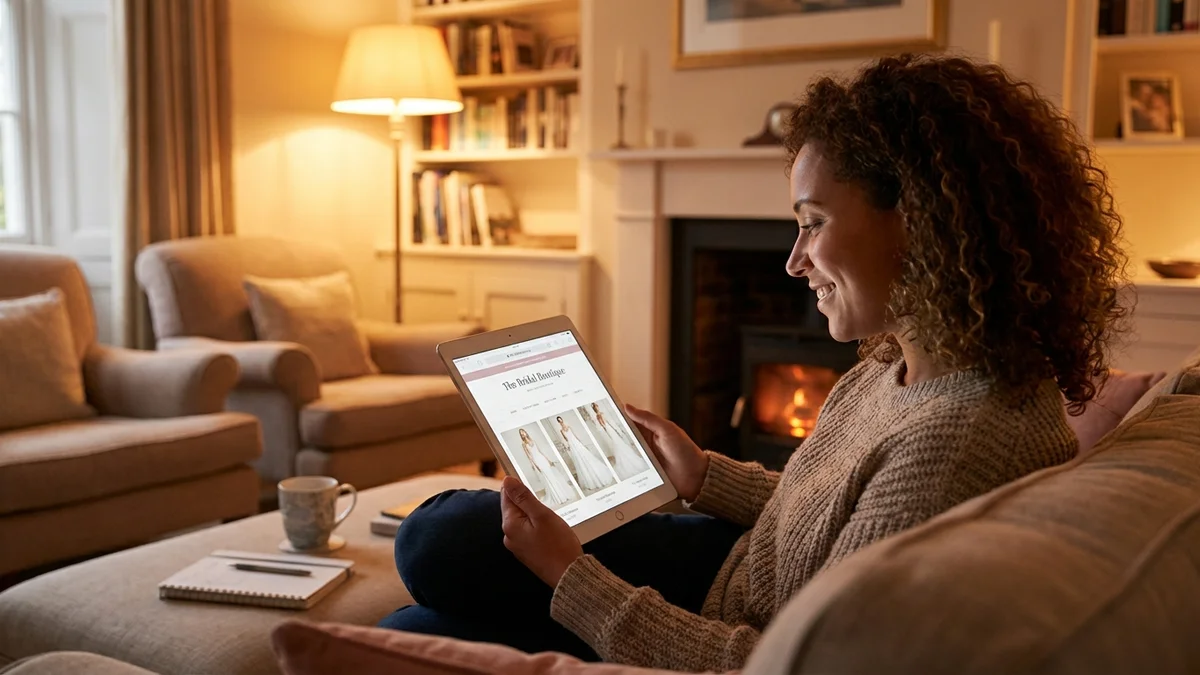
Key factors to evaluate:
- Designer inventory: Check the shop's website for designer lists. If you love simple wedding dresses, find a shop that stocks minimalist designers like Jenny Yoo or Sarah Seven.
- Online reviews: Read Google, Yelp, and WeddingWire reviews. Look for patterns: consistent praise for stylists signals a great experience, while complaints about pressure tactics are red flags.
- Size inclusivity: Not all bridal shops carry extended sizes. Call ahead to confirm they stock samples in your size range, as trying on a clipped gown two sizes too small rarely conveys how a dress truly looks.
- Price transparency: Ask about the full cost before visiting: gown price, alterations, accessories, and any rush fees. Some shops offer flat-rate alteration packages.
- Location and accessibility: You will return for fittings 2-3 times after ordering. Choose a shop within a reasonable distance, and verify ADA accessibility if needed.
- Cancellation and refund policies: Bridal gowns are typically non-refundable once ordered. Understand the shop's policy on deposits, cancellations, and timeline delays.
Key Takeaway: The best bridal dress shop is not the most expensive or the most popular. It is the one where the inventory matches your style, the staff makes you feel confident, and the pricing aligns with your total wedding budget.
What Should I Expect at My First Bridal Appointment?
A typical bridal dress appointment lasts 60 to 90 minutes and includes a consultation, guided try-on session, and styling discussion. Your assigned bridal consultant will ask about your wedding date, venue, theme, and budget before pulling gowns that match your vision. Most boutiques allow 5-8 dresses per appointment, and consultants may suggest styles you had not considered based on your body type and preferences.
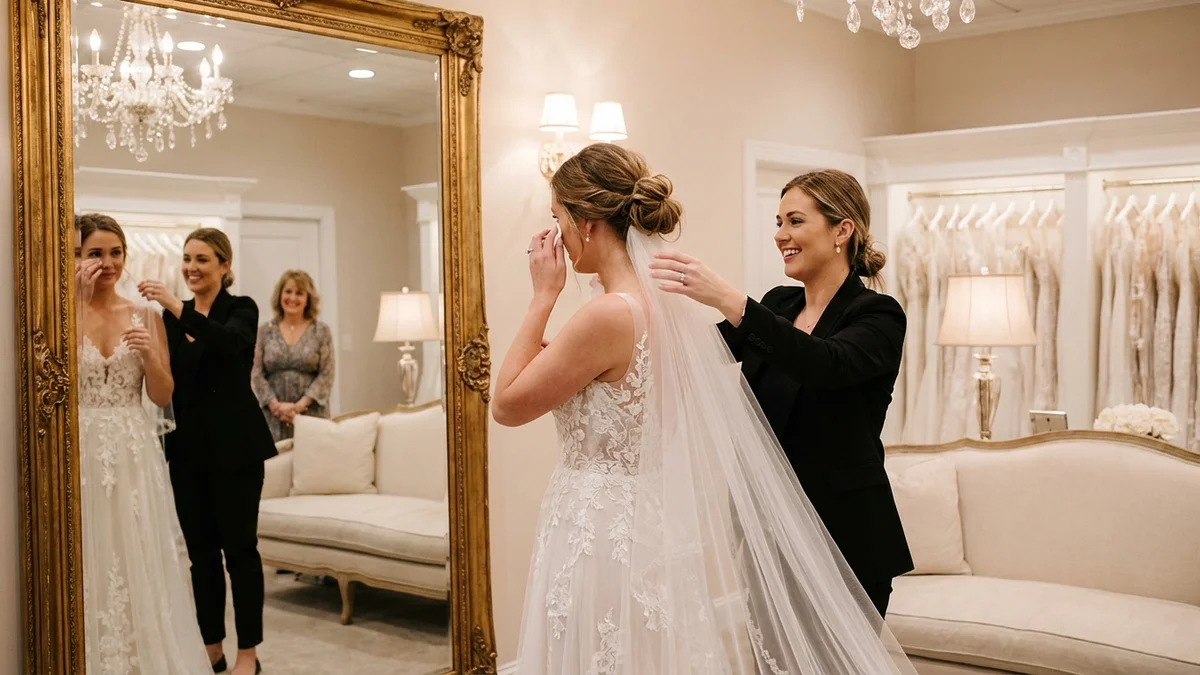
Before Your Appointment
- Book early: Schedule 9-12 months before your wedding. Custom gowns take 4-6 months to produce, plus 2-3 months for alterations.
- Bring inspiration: Save 10-15 dress photos on your phone. Note what you like about each: neckline, silhouette, fabric, or embellishment.
- Limit your group: Bring 2-3 trusted people. Too many opinions lead to confusion and decision fatigue.
- Wear the right undergarments: Nude, seamless underwear and a strapless bra. Some shops provide bustiers.
- Bring shoes: Heels at a similar height to what you plan to wear on your wedding day.
During Your Appointment
| Phase | Duration | What Happens |
|---|---|---|
| Consultation | 10-15 min | Discuss vision, budget, timeline with stylist |
| Dress selection | 10 min | Stylist pulls gowns based on consultation |
| Try-on session | 40-50 min | Try 5-8 dresses, stylist clips and accessorizes |
| Decision discussion | 10-15 min | Narrow favorites, discuss pricing, next steps |
After Your Appointment
If you find your dress, you will place a deposit (typically 50-60% of the gown price) and receive an estimated delivery date. If you need more time, reputable shops will never pressure you to buy on the spot. Ask about their hold policy if you want to reserve a specific gown.
Is It Better to Buy a Wedding Dress Online or In-Store?
Both online and in-store bridal dress shopping have distinct advantages, and the best choice depends on your priorities. In-store shopping offers tactile fabric experience, expert styling guidance, and immediate fit assessment. Online shopping provides broader selection, lower prices, and the convenience of browsing from home. Many modern brides combine both approaches, researching online before visiting boutiques.
| Factor | In-Store | Online |
|---|---|---|
| Try before buying | Yes, multiple gowns | Limited (home try-on programs) |
| Price | Higher (overhead costs) | 20-50% lower on average |
| Selection | 200-1,500 per store | 1,000-5,000+ styles |
| Personalization | Dedicated stylist | Self-guided or chat support |
| Alterations | Often in-house | Must find local tailor |
| Timeline | Same-day for off-the-rack | 2-8 weeks shipping + production |
| Risk | Minimal (see what you get) | Sizing errors, fabric differences |
| Experience | Emotional, celebratory | Convenient, private |
"After helping hundreds of brides find their perfect dress through our virtual try-on platform, we have noticed that combining online visualization with boutique visits produces the highest satisfaction rates." (RobeMarie Team)
The Hybrid Approach
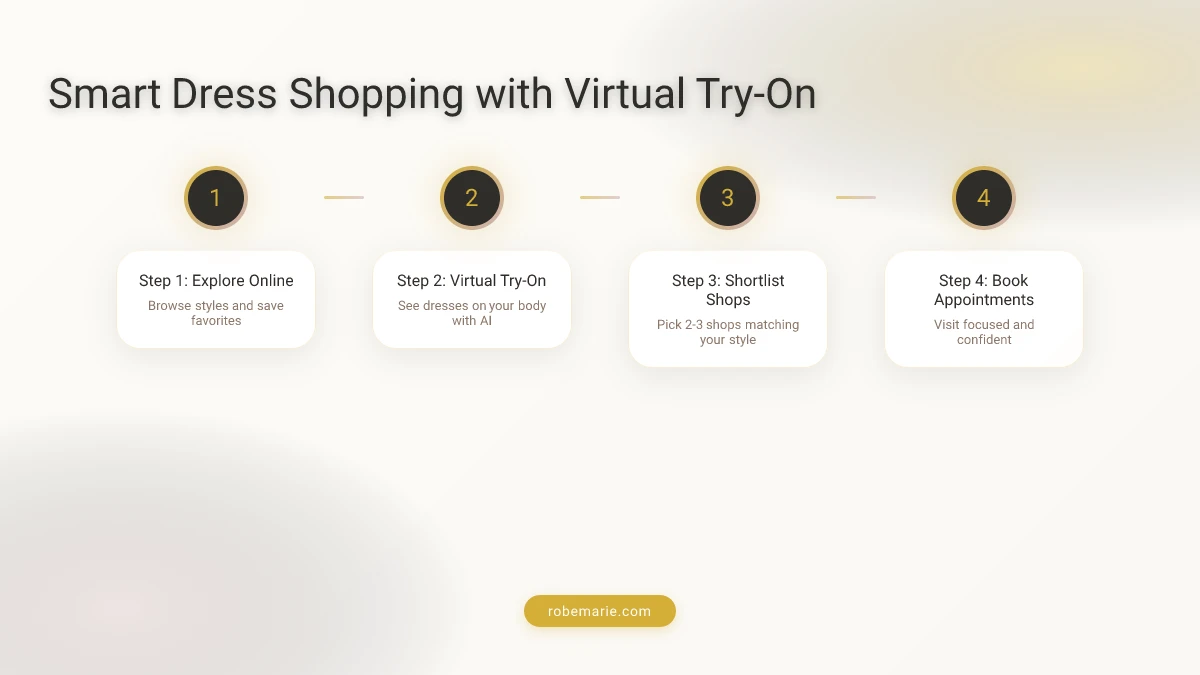
The smartest strategy combines digital and physical shopping. Use online tools to explore silhouettes, necklines, and designers before booking boutique appointments. This narrows your choices dramatically and makes each appointment more productive.
With RobeMarie's AI virtual try-on, you can upload your photo and visualize how different wedding dress styles look on your body before ever stepping into a shop. This eliminates guesswork and helps you walk into appointments knowing exactly which silhouettes flatter your figure.
How Many Bridal Shops Should I Visit?
Most bridal stylists recommend visiting 2-4 bridal dress shops maximum before making a decision. Shopping at too many stores leads to decision fatigue, where every dress starts blending together and nothing feels special. After trying on more than 20-25 gowns across multiple appointments, brides often lose clarity on what they originally wanted.
Recommended shopping plan:
- Research phase (2-3 weeks): Browse online, save favorites, use virtual try-on tools to narrow styles
- First appointment: Visit a boutique with your top style preferences
- Second appointment: Try a different shop type (chain vs boutique) for comparison
- Third appointment (if needed): Revisit your top contender for a final try-on
- Decision: Purchase within 3-4 weeks of starting to shop
Key Takeaway: Quality over quantity. Three focused appointments at well-researched shops produce better results than six rushed visits to random stores.
What Questions Should I Ask at a Bridal Shop?
Walking into a bridal dress shop with the right questions ensures you get the full picture on pricing, timelines, and policies before committing to a purchase. These questions protect your investment and help you compare shops objectively.
Essential questions to ask:
- What designers do you carry, and what is your price range?
- How long does ordering take, and what are rush order options?
- Are alterations done in-house, and what is the typical cost?
- What is your deposit and cancellation policy?
- Do you offer veils and accessories, or should I shop elsewhere?
- Can I bring guests, and how many are allowed?
- Do you carry samples in extended sizes for try-on?
- What happens if my dress arrives damaged or incorrect?
- Do you host trunk shows or sample sales?
- Is there a storage fee if I need to delay pickup?
Common Bridal Dress Shopping Mistakes to Avoid
Even well-prepared brides fall into predictable traps when shopping at bridal dress shops. Recognizing these mistakes before your first appointment saves time, money, and emotional energy.
Mistake 1: Shopping without a budget. Establish your total dress budget before walking in, including alterations ($200-$800), accessories, undergarments, and any rush fees. A $2,000 gown can quickly become a $3,000+ investment.
Mistake 2: Bringing too many people. Limit your entourage to 2-3 voices you truly trust. A group of 6+ creates conflicting opinions and overwhelming noise that drowns out your instincts.
Mistake 3: Ordering too late. Custom gowns take 4-6 months to produce. Add 2-3 months for alterations. Starting less than 8 months before your wedding limits options to off-the-rack or affordable ready-made dresses.
Mistake 4: Ignoring comfort. Always sit, walk, raise your arms, and bend in every dress. If you cannot dance in it, you will not enjoy your reception.
Mistake 5: Choosing trends over timelessness. Dramatic sleeves or cutouts may feel current today but can look dated in wedding photos viewed for decades. Classic silhouettes photograph beautifully across eras.
Mistake 6: Visiting too many shops. After 4-5 stores, dresses blur together. Research first, visit fewer, and decide faster.
Frequently Asked Questions
How far in advance should I shop for a wedding dress?
Start shopping at bridal dress shops 9-12 months before your wedding date. Custom-ordered gowns take 4-6 months for production and shipping, and you need an additional 2-3 months for professional alterations. If your wedding is less than 6 months away, focus on off-the-rack options, sample sales, or online retailers with expedited shipping like Azazie or BHLDN.
What should I wear to a bridal dress appointment?
Wear nude or white seamless undergarments, a strapless bra or adhesive cups, and bring shoes at the same heel height you plan to wear on your wedding day. Avoid heavy makeup that could transfer onto sample gowns. Style your hair loosely so the consultant can pin it up to show how different necklines frame your face.
How much do wedding dresses cost at bridal shops?
Wedding dress prices vary dramatically by shop type. Chain retailers like David's Bridal start around $300, while independent boutiques typically range from $1,500 to $5,000. Designer flagships like Kleinfeld carry gowns from $3,000 to $25,000 or more. Budget an additional $200-$800 for alterations and $100-$500 for accessories like veils and jewelry.
Can I try on wedding dresses without buying?
Yes, most bridal dress shops welcome brides to try on gowns without any obligation to purchase. Appointments are designed for exploration and discovery. Reputable shops never pressure you into buying on the spot. However, always be respectful of appointment times and notify the shop if you need to cancel.
What is a trunk show at a bridal shop?
A trunk show is a limited-time event where a specific designer brings their full collection to a bridal shop, often including styles not normally stocked. Brides who purchase during trunk shows typically receive 10-15% discounts and may meet the designer personally. Watch bridal shop social media accounts for trunk show announcements throughout the year.
How long does a bridal dress appointment last?
Most bridal dress shop appointments last 60-90 minutes. This includes an initial consultation with your stylist, trying on 5-8 gowns, and discussing pricing and next steps. Some boutiques offer extended appointments of 2 hours for an additional fee, which includes champagne, private suites, and more relaxed browsing.
Should I buy my wedding dress at the first shop I visit?
There is no rule against buying at the first shop if you find a dress that genuinely moves you. However, most bridal consultants recommend visiting at least 2-3 shops for comparison. If a dress haunts you after you leave the store, that emotional pull is a strong indicator it may be the one. Trust your instincts over the pressure to keep shopping.
What is the difference between a bridal boutique and a bridal salon?
The terms are often used interchangeably, but bridal boutiques tend to be smaller, independently owned shops with curated designer collections and highly personalized service. Bridal salons may be larger, carrying more designers and offering in-house alterations, veils, and accessories under one roof. Both provide appointment-based shopping with dedicated stylists.
Your Bridal Dress Shop Journey Starts Here
Choosing the right bridal dress shop sets the tone for one of the most memorable experiences of your wedding journey. Whether you prefer the intimate attention of a boutique, the vast selection of a chain retailer, or the convenience of shopping online, the perfect gown is waiting for you.
Before you book your first appointment, consider starting your search with RobeMarie's AI virtual try-on. Upload your photo and see how different silhouettes, necklines, and styles look on your body in seconds. This helps you arrive at bridal dress shops with clarity and confidence, making every appointment count. Over 73% of brides visit 3 or more shops before finding their dress. Virtual try-on can help you reduce that number to just one or two focused visits.