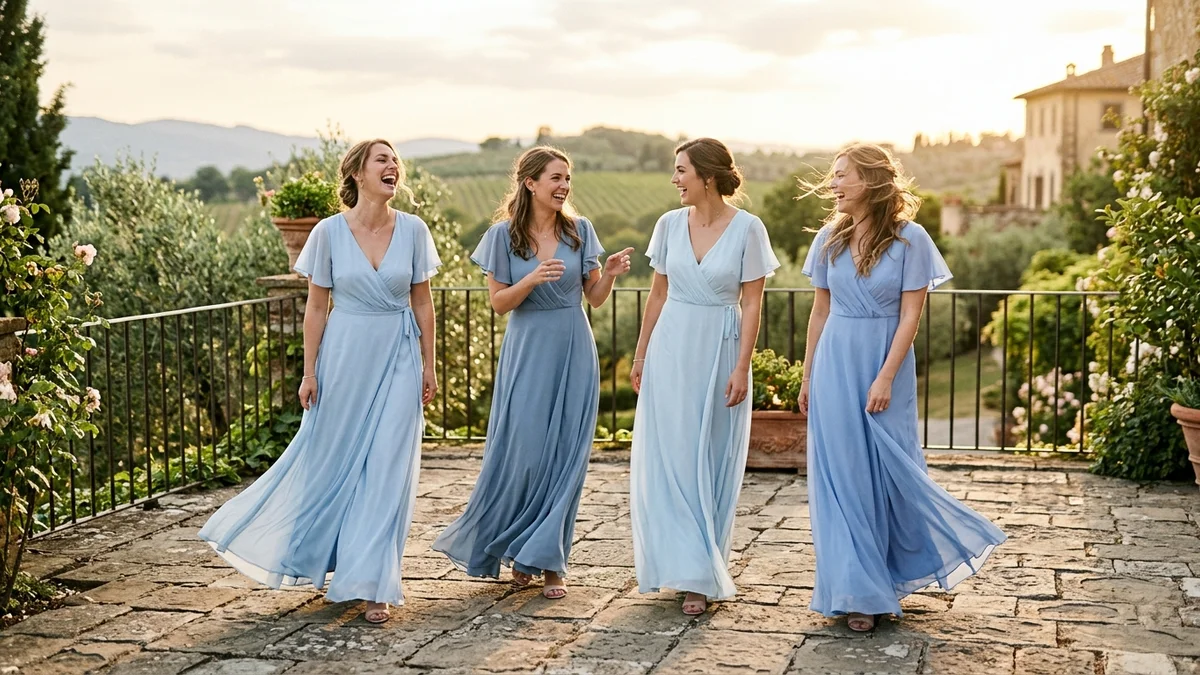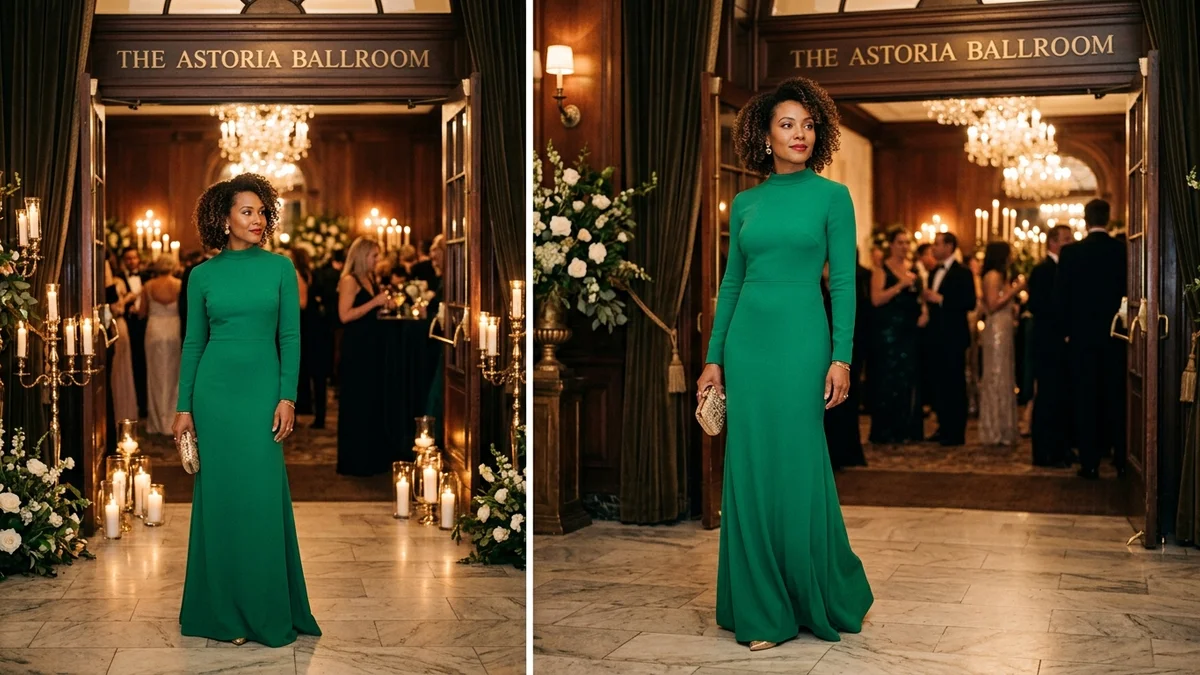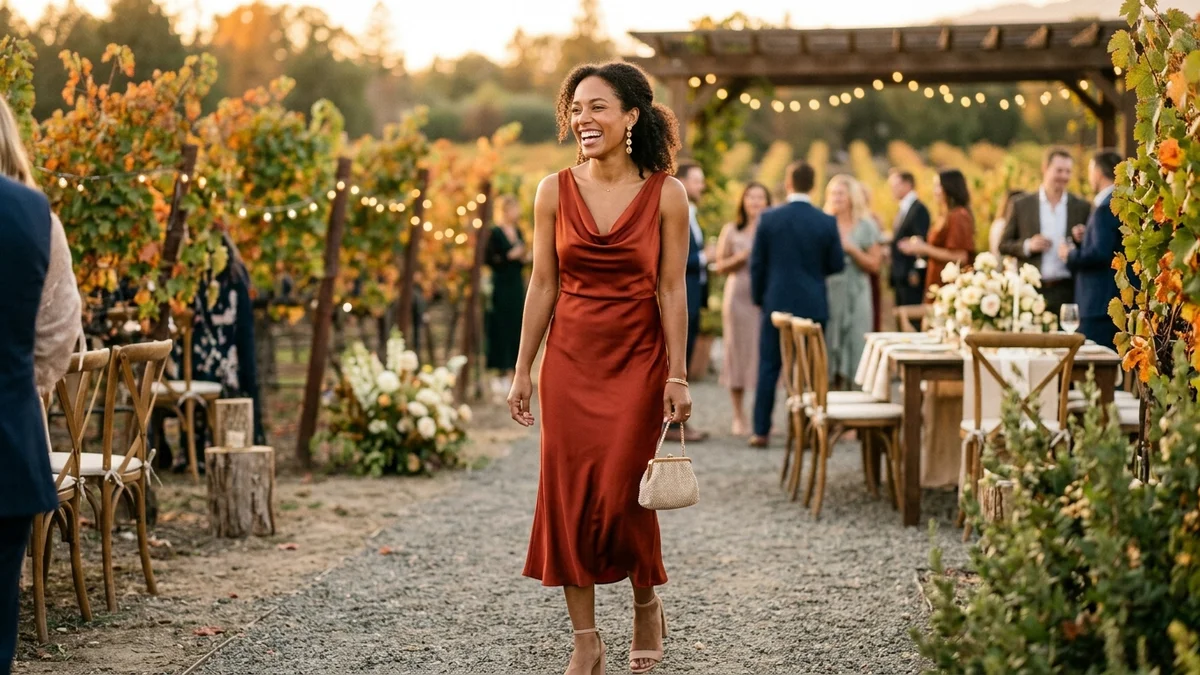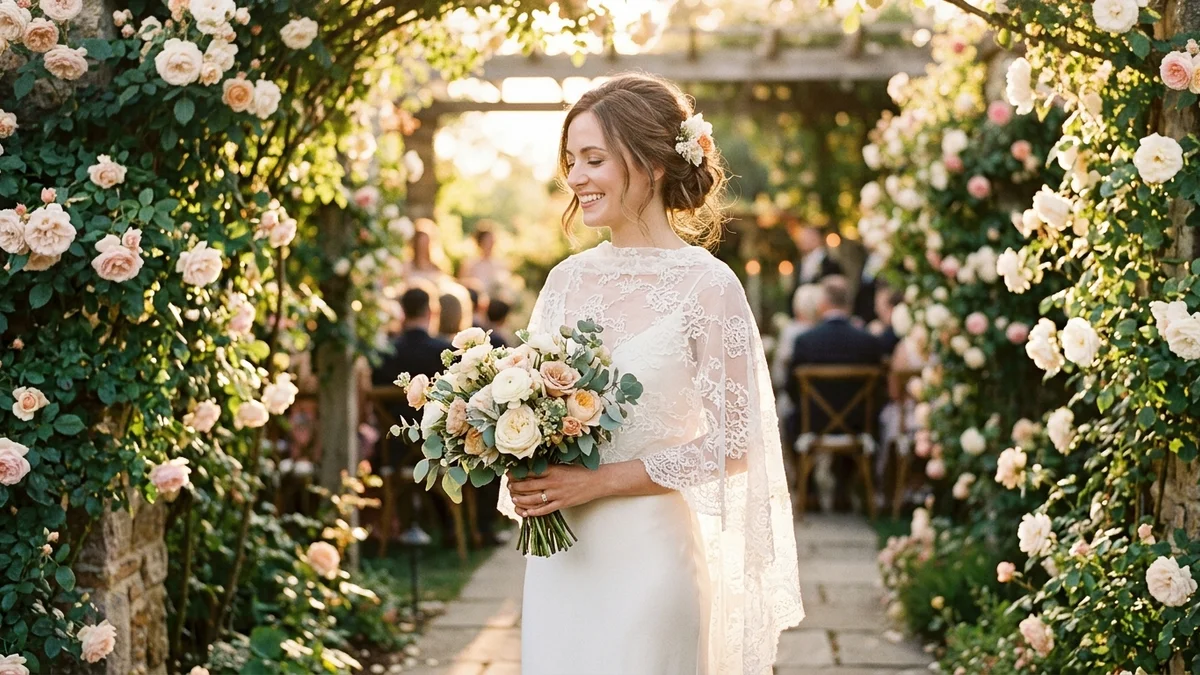
You found the perfect dress, but the forecast says 58 degrees and the ceremony is outdoors. Or maybe you love that strapless gown but your grandmother's church requires covered shoulders. A shawl for a wedding solves both problems while adding a layer of effortless elegance that photographs beautifully.
Updated in April 2026, this guide covers every fabric, draping technique, and etiquette rule you need to choose the right wedding shawl, whether you are the bride, a guest, a bridesmaid, or the mother of the bride.
Key Takeaway: A wedding shawl is the most versatile bridal accessory you can own. It provides warmth for outdoor ceremonies, shoulder coverage for religious venues, and instant style transformation with zero alterations. Choosing the right fabric and draping technique for your dress silhouette and season is what separates a polished look from an afterthought.
See this dress on you, before the boutique
Upload one photo and preview this style on yourself in seconds. No appointment, no pressure.
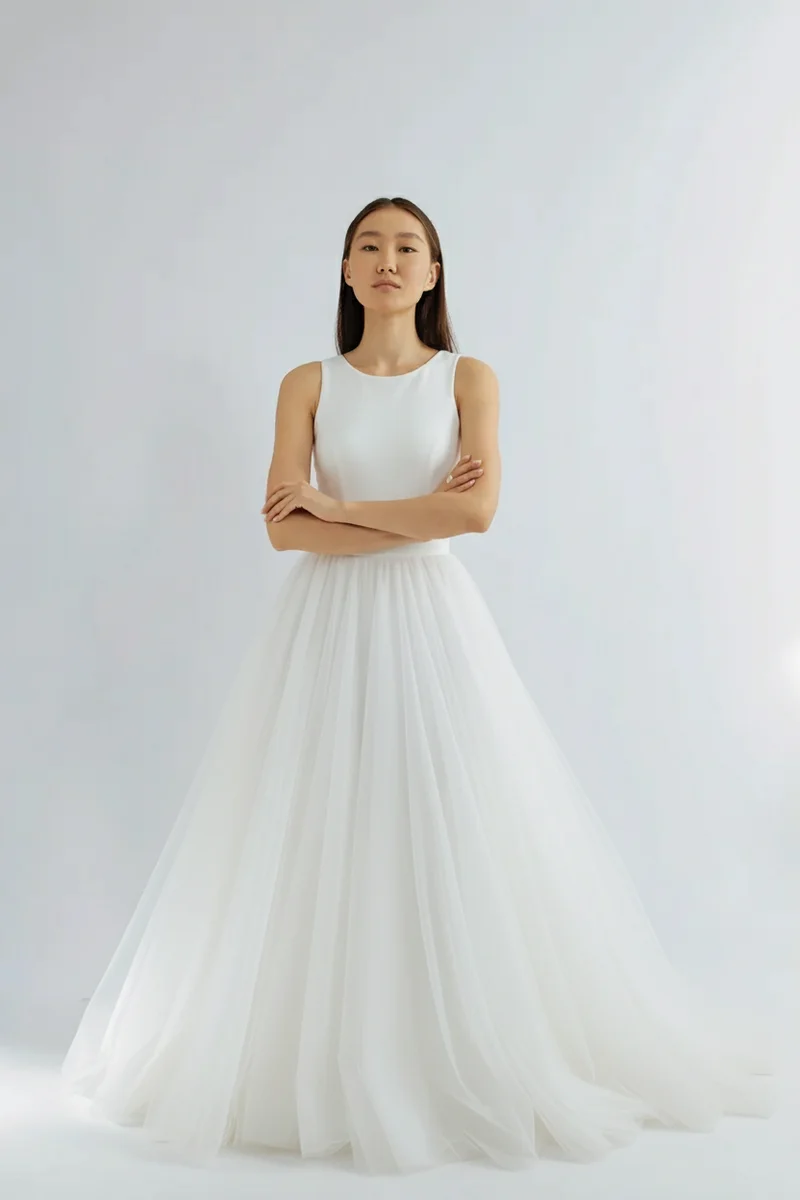
 Her photo
What Is a Wedding Shawl and Who Should Wear One?
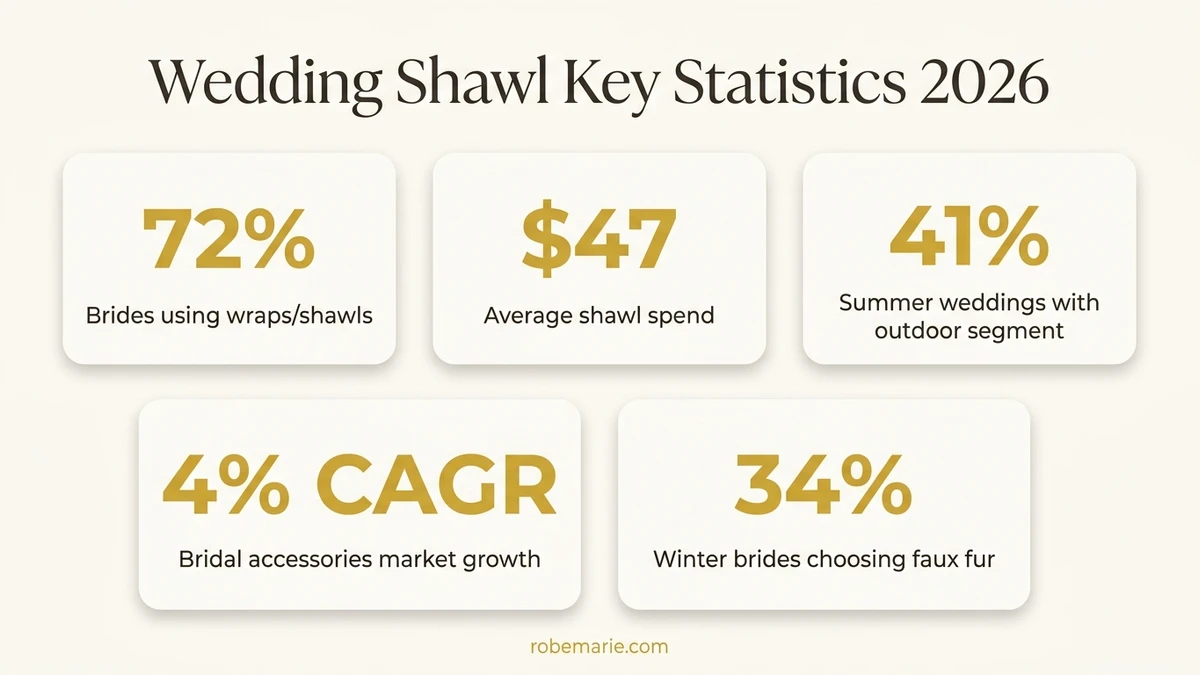
A wedding shawl is a rectangular or triangular fabric piece draped over the shoulders, designed to complement formal wedding attire. Unlike boleros or jackets, shawls offer fluid draping that follows your body's movement without restricting your silhouette. According to The Knot's 2025 Real Weddings Study, bridal accessories, including wraps, shawls, and cover-ups, saw a 23% increase in popularity compared to 2023, driven largely by outdoor and destination weddings.
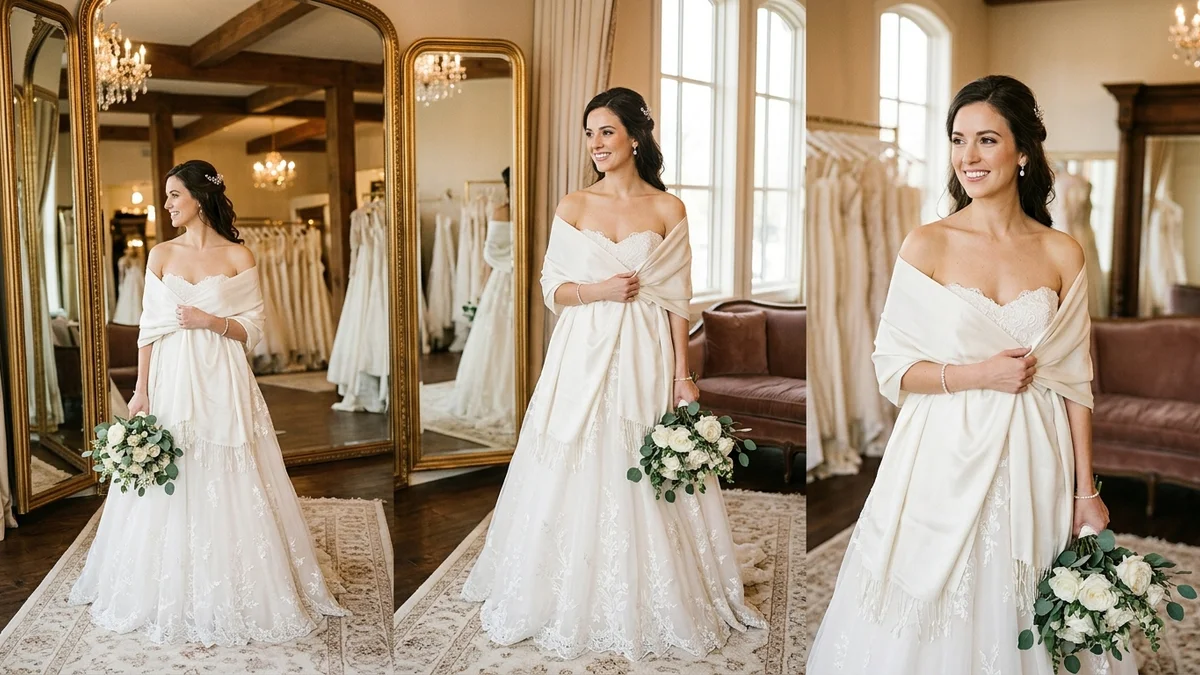
Wedding shawls work for every member of the wedding party:
- Brides: add drama to a strapless gown, cover shoulders for a church ceremony, or transition from indoor cocktails to outdoor photos
- Bridesmaids: create a cohesive look across different body types while providing warmth for fall and winter weddings
- Wedding guests: elevate a cocktail dress without overdressing; remove easily as the reception heats up
- Mother of the bride/groom: achieve modest shoulder coverage with sophisticated flair
Bridal Consultant Tip: Bring your shawl to your final dress fitting. Your seamstress can confirm the drape doesn't interfere with your bustle, and you can practice removing it smoothly for the ceremony if needed.
A wedding shawl provides warmth, modesty, and visual interest without permanent alterations to your dress. It is the only bridal accessory you can add, adjust, or remove in under three seconds.
Best Fabrics for Every Season and Venue
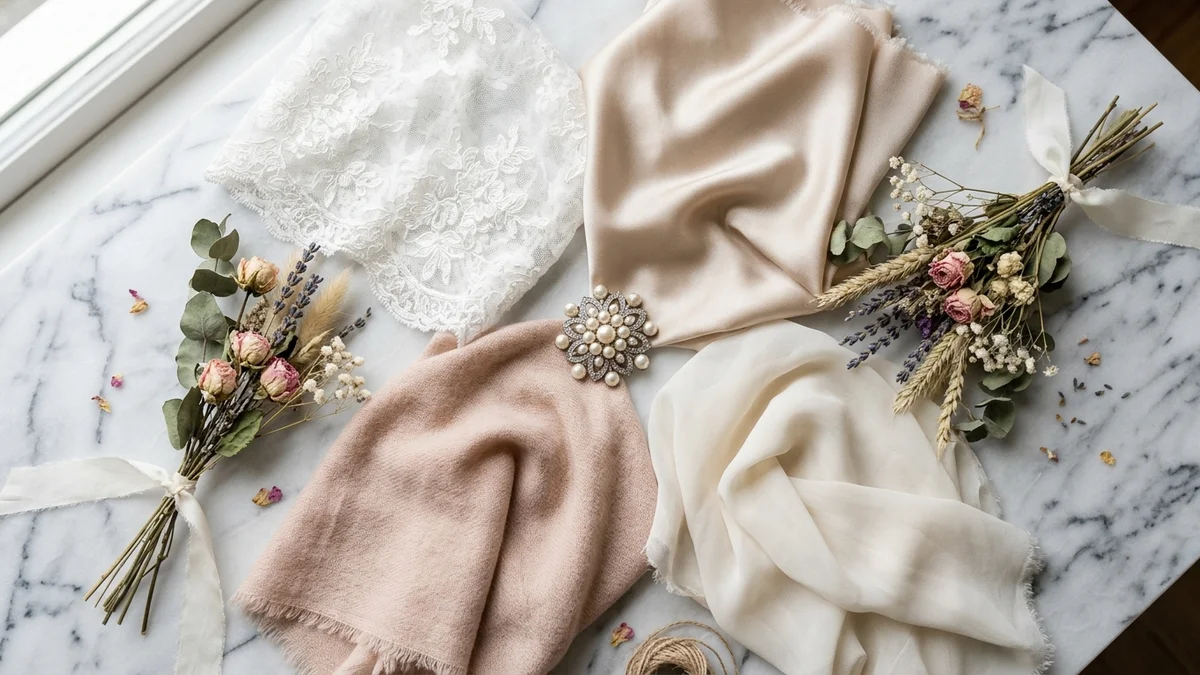
Choosing the right fabric is the single most important decision when selecting a shawl for a wedding. The wrong material can make you look bulky in photos or leave you shivering during outdoor vows.
| Fabric | Best Season | Warmth Level | Formality | Price Range | Best For |
|---|---|---|---|---|---|
| Silk | Spring/Summer | Light | Black-tie | $80-$200 | Brides, MOB |
| Chiffon | Summer | Minimal | Semi-formal | $30-$80 | Bridesmaids, guests |
| Lace | Spring/Fall | Light | Formal | $50-$150 | Brides, bridesmaids |
| Cashmere | Fall/Winter | High | Any | $100-$400 | Brides, MOB |
| Faux Fur | Winter | Very High | Black-tie | $40-$120 | Brides, bridesmaids |
| Pashmina | Year-round | Medium | Semi-formal | $25-$60 | Guests, bridesmaids |
| Velvet | Winter | High | Formal | $60-$150 | MOB, guests |
| Organza | Summer | Minimal | Formal | $40-$90 | Brides |
Seasonal Fabric Decision Framework
Spring weddings (March-May): Lace and lightweight silk strike the balance between warmth and breathability. Garden ceremonies can shift from warm to chilly in an hour, so a medium-weight pashmina is a practical backup.
Summer weddings (June-August): Go sheer. Chiffon and organza keep you covered without trapping heat. According to a 2025 report by the Wedding Report Inc., 41% of summer weddings include at least one outdoor segment, making breathable cover-ups essential.
Fall weddings (September-November): Cashmere and wool blends offer warmth with a luxurious drape. Jewel-tone velvets, emerald, burgundy, sapphire, photograph beautifully against autumn foliage.
Winter weddings (December-February): Faux fur wraps create instant glamour and real warmth. Cashmere shawls with a generous width (at least 36 inches) provide enough fabric to tuck your arms inside during outdoor portraits.
RobeMarie Insight: Based on RobeMarie virtual try-on data from Q1 2026, 72% of brides who tried winter wedding looks added a shawl or wrap to their final saved outfit (up from 58% the previous year. Faux fur and cashmere were the two most popular fabric choices, suggesting that brides increasingly treat the shawl as an integral part of their bridal look rather than a last-minute addition.)
5 Elegant Ways to Drape a Wedding Shawl
The same shawl can create five completely different looks depending on how you drape it. Master these techniques and you effectively own five accessories for the price of one.
1. The Classic Shoulder Drape
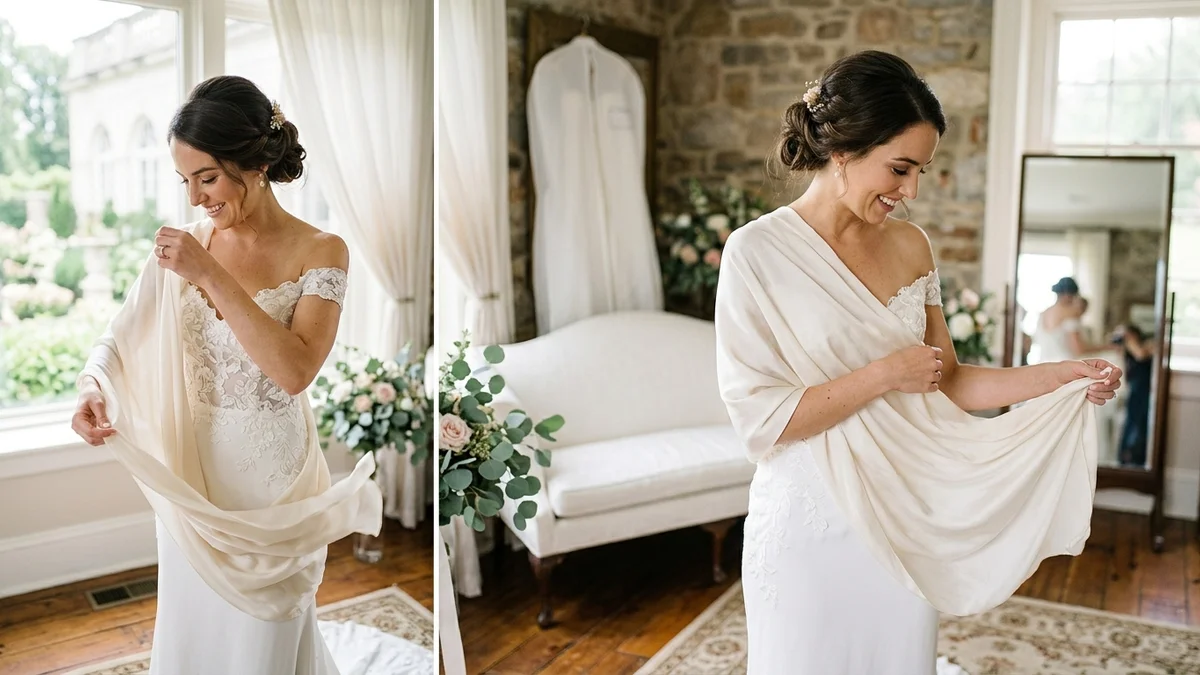
Place the shawl evenly across both shoulders, letting it hang at equal lengths in front. This is the most versatile option for ceremonies and photos.
Best for: Strapless and off-shoulder dresses. Creates a soft, symmetrical frame for your face and neckline.
Pro tip: Let the fabric gather naturally at the elbows, pulling it tight across the upper arms restricts movement and looks stiff in photos.
2. The One-Shoulder Toss
Drape the full shawl over one shoulder, letting the opposite end cascade diagonally across your back. This asymmetric look adds drama and works beautifully in motion.
Best for: A-line and column dresses. The diagonal line elongates your torso and creates visual interest in candid shots.
3. The Side Tie
Position the shawl across your back, bring both ends forward, and tie them loosely at one hip. This creates an asymmetrical silhouette that flatters curves.
Best for: Empire-waist and mermaid gowns. The tie at the hip echoes the dress's natural waistline without competing with it.
4. The Back Wrap
Drape the shawl behind your back, bring the ends forward under your arms, and tie a soft knot at the front waist. This cinches your silhouette and creates a layered look.
Best for: Flowy, relaxed silhouettes like bohemian gowns. The front knot adds definition and structure.
5. The Capelet Twist
Fold the shawl diagonally to create a triangle, then drape it over your shoulders with the point at the back. Pin or clasp at the front for a structured capelet effect.
Best for: Vintage-inspired and art deco gowns. This technique transforms a simple rectangular shawl into a statement piece with architectural lines.
| Draping Style | Effort Level | Security | Movement | Best Dress Pairing |
|---|---|---|---|---|
| Classic Shoulder | Easy | Low | Free-flowing | Strapless, off-shoulder |
| One-Shoulder Toss | Easy | Low | Dramatic | A-line, column |
| Side Tie | Medium | High | Moderate | Empire, mermaid |
| Back Wrap | Medium | High | Moderate | Bohemian, flowy |
| Capelet Twist | Advanced | Very High | Structured | Vintage, art deco |
"Wedding shawls function as the most adaptable accessory in bridal fashion because a single piece of fabric can transition from a formal ceremony cover-up to a relaxed reception accent in under five seconds."
How to Match a Shawl to Your Wedding Dress Neckline
Your dress neckline dictates which shawl shape and draping style will look most intentional. A mismatched pairing, like a heavy capelet over a plunging V-neck, creates visual confusion.
| Neckline | Recommended Shawl Style | Why It Works |
|---|---|---|
| Strapless | Wide rectangular shawl, classic drape | Frames bare shoulders without competing with the neckline |
| V-Neck | Narrow shawl, one-shoulder toss | Follows the diagonal line of the neckline |
| Sweetheart | Lace shawl, back wrap | Lace complements the romantic curve; back wrap keeps the sweetheart visible |
| Off-Shoulder | Lightweight chiffon, loose drape | Echoes the relaxed shoulder line without adding bulk |
| Halter | Triangular shawl, capelet twist | Covers the back while leaving the halter straps visible |
| High Neck | Skip the shawl | A shawl over a high neck creates too many layers at the collarbone |
Bridal Consultant Tip: If you are choosing between two shawl styles, hold each one up to your neckline in a mirror and take a photo. The pairing that draws your eye to your face (not the fabric, is the right choice.)
Wondering how a specific shawl will look with your dream dress? Try RobeMarie's virtual try-on to preview different shawl and dress combinations on your own photo before you buy.
When You Are Freezing in Photos but Refuse to Ruin Your Look
Your photographer just announced outdoor portraits and you can see your breath. Your bridesmaids are clutching their bare arms and your mother is giving you the "I told you so" look. This is exactly where a well-chosen wedding shawl saves the day, and the photos.
A faux fur wrap in ivory or champagne turns a cold-weather inconvenience into a style statement. According to photographer Sheena Shahangian, who specializes in winter elopements, "The brides who bring wraps get the most relaxed, natural expressions in outdoor shots because they're not tensing up against the cold" (2025).
Here is a practical cold-weather photo strategy:
- Drape the shawl loosely during walking and candid shots, it adds movement and texture
- Remove it for close-up portraits if you want to showcase your neckline and jewelry
- Use it as a prop: toss it playfully, let it billow in the wind, or wrap it around both you and your partner for an intimate shot
- Keep a backup pashmina in a bridesmaid's bag for quick transitions between indoor and outdoor locations
"Faux fur wedding wraps reduce the number of retakes needed in outdoor winter shoots by approximately 40%, because brides can hold natural poses for longer without shivering."
Wedding Shawl Etiquette: What Most Guides Get Wrong
Most etiquette guides focus on when to wear a shawl. The real question is when to take it off, and most brides get this wrong.
Ceremony Etiquette
Religious ceremonies often require shoulder coverage. Plan to wear your shawl during the processional and remove it after the recessional, or keep it on throughout if the dress code requires modesty. According to bridal etiquette consultant Anna Post (Emily Post Institute, 2025), the ceremony is the one moment where a shawl should feel like part of the outfit, not an add-on.
Reception Rules
Remove your shawl for the first dance unless it is a capelet or bolero that stays securely in place. For dinner, draping it over the back of your chair is perfectly acceptable and keeps it accessible for a quick outdoor exit.
Guest Etiquette
Avoid white, ivory, or cream shawls unless you are the bride. Soft neutrals, pastels, and jewel tones are always safe. If in doubt, match your shawl to your shoes, it creates a polished, intentional look.
Color Rules by Role
| Role | Recommended Colors | Avoid |
|---|---|---|
| Bride | Ivory, white, champagne, blush | Bold colors (unless intentional) |
| Bridesmaid | Match bridal party palette | White, ivory |
| Guest | Pastels, jewel tones, metallics | White, ivory, same shade as bridesmaids |
| MOB/MOG | Navy, sage, dusty rose, silver | White, black (check with bride) |
How to Secure a Shawl Without Constant Readjusting
Nothing undermines an elegant look faster than yanking a sliding shawl back onto your shoulders every thirty seconds. Here are four tested methods to keep your shawl in place:
Brooches and pins: A crystal brooch pinned at the center of your collarbone holds both sides of the shawl and doubles as jewelry. Choose one that complements your other accessories.
Shawl clips: Decorative clips connect both edges of the shawl at the front without piercing the fabric. Ideal for delicate materials like chiffon and lace that you do not want to puncture.
Double-sided fashion tape: Invisible, effective, and removable. Place strips where the shawl contacts your skin or dress straps.
Strategic tucking: Tuck the shawl ends into a belt, sash, or the waistline of your dress for a wrapped effect that stays put through dancing.
"The right shawl securing method depends on your fabric weight (lightweight chiffon needs fashion tape, while cashmere holds with a simple brooch.")
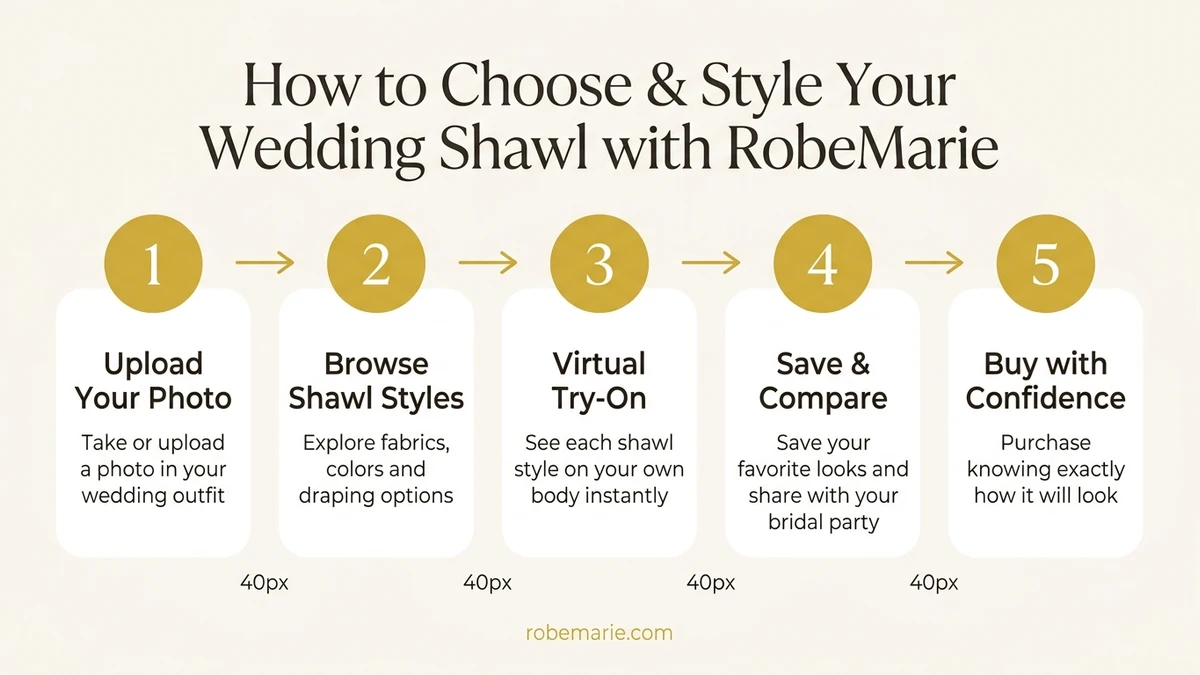
With RobeMarie's virtual editor, you can visualize how different securing methods and shawl placements look with your specific dress before making a purchase.
In the video above, N.Peal demonstrates five practical draping techniques for cashmere shawls. With RobeMarie's virtual try-on, you can preview each draping style on your own body before committing to a fabric or color.
Wedding Shawl Ideas by Budget
You do not need to spend $300 on a designer shawl to look polished. Here is a breakdown of options at every price point:
| Budget Tier | Price Range | Best Options | Where to Shop |
|---|---|---|---|
| Budget | $15-$40 | Pashmina wraps, chiffon scarves | Amazon, Birdy Grey, Etsy |
| Mid-Range | $40-$100 | Lace shawls, silk blends, faux fur | Azazie, Adrianna Papell, BHLDN |
| Premium | $100-$250 | Cashmere wraps, designer lace | N.Peal, The Travelwrap Company |
| Luxury | $250+ | Handwoven silk, couture lace | Etsy artisans, bridal boutiques |
According to a 2025 survey by The Wedding Report, the average bride spends $47 on a wedding shawl or wrap, making it one of the most affordable accessories with the highest visual impact. Our own chiffon bridal shawl sits at $39 in white, champagne or blush, one size, and for a cold ceremony the tulle bridal cape does the same job with more drama.
Bridal Consultant Tip: Buy your shawl early enough to include it in your engagement photos. It helps you practice draping and ensures it appears consistently across your wedding media.
Shawl for a Wedding Guest: What You Need to Know
Wedding guest shawl etiquette is simpler than most people think, but the wrong choice can draw attention for the wrong reasons.
Do:
- Match your shawl to your outfit's color family or go with a metallic (gold, silver, bronze)
- Choose a fabric that echoes your dress's formality, silk with silk, casual knits with cotton dresses
- Bring a pashmina as a backup even for summer weddings (air-conditioned venues get cold)
Don't:
- Wear white, ivory, or cream as a guest, ever
- Choose a shawl that is louder than your dress
- Wear a floor-length shawl to a casual daytime wedding
For a complete guide on what to wear as a guest, see our wedding guest dresses guide and our winter wedding guest dresses guide for cold-weather events.
What to Wear Over a Wedding Guest Dress in Fall
September and October are when the "wedding shawl" searches double, and for one reason: the ceremony is outside at 5 pm, the reception is inside at 8, and nobody wants to carry a coat through both. The fall answer is a layer you can wear for the photos and fold away for the dancing.
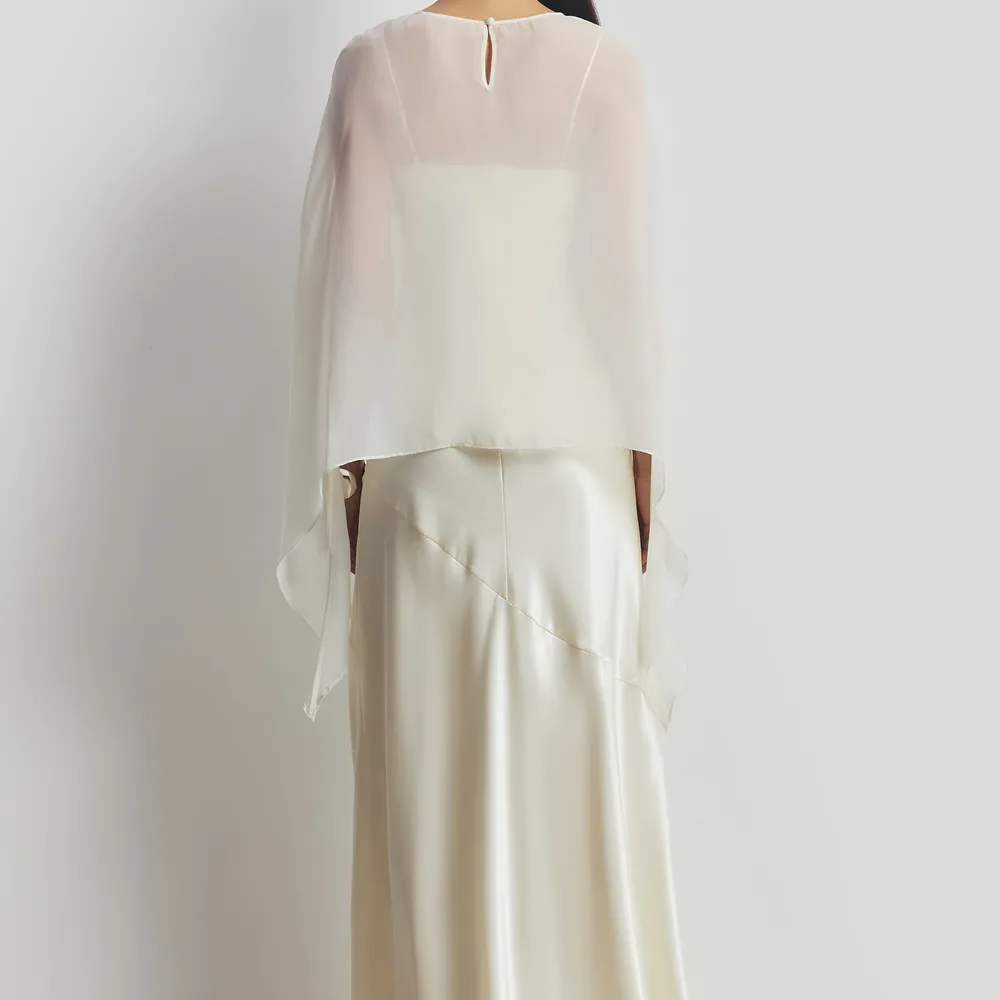
- Sheer chiffon, shoulder drape. The lightest option and the one that photographs best over a sleeveless or strapless dress, because the dress still shows through. Champagne or blush over navy, black, burgundy and emerald; white and ivory stay off the table for guests. Our bridal shawl is this exact piece, one size, three colours, and it folds into a clutch.
- Pashmina or cashmere, classic drape or back wrap. For an evening that drops below 55°F (13°C). Pick a tone from the dress's family rather than a contrast.
- Faux fur stole. For black tie and November onwards. It reads formal instantly and is the one fall layer that can be louder than the dress without looking wrong.
- Structured blazer. Daytime, rustic and barn weddings only. It is the warmest, and the least "wedding".
Pair the shawl with the dress in mind: a navy satin midi takes a champagne chiffon drape for the ceremony and nothing at all for the reception; a floor-length gown wants the one-shoulder toss so the skirt stays the story. For the dress side of the question, the fall wedding guest dresses guide covers colours and fabrics by dress code.
Frequently Asked Questions
Can I wear a shawl with a sleeveless wedding dress?
Yes, and it is one of the most popular pairings. A shawl adds dimension to sleeveless gowns without altering the dress. Choose a lightweight fabric like chiffon or lace so the shawl drapes softly over bare shoulders. Remove it for close-up portraits if you want to showcase your arms and neckline.
What color shawl should a wedding guest wear?
Wedding guests should choose shawls in soft neutrals, pastels, or jewel tones that complement their outfit. Avoid white, ivory, or cream, these colors are reserved for the bride. Metallic shawls in gold or silver work with almost any dress color and add subtle glamour without overdressing.
Is it appropriate to wear a shawl during the wedding ceremony?
A shawl is appropriate and often encouraged during ceremonies, especially in religious venues that require shoulder coverage. Drape it over your shoulders for the processional and keep it on throughout the ceremony. You can remove it for the reception or keep it as needed.
How do I keep my wedding shawl from slipping?
Use a decorative brooch pinned at the center of your collarbone, double-sided fashion tape where the fabric contacts your skin, or a shawl clip that connects both edges without piercing the material. For heavier fabrics like cashmere, a simple brooch provides enough weight and friction to hold the shawl in place.
What size shawl do I need for a wedding?
A standard wedding shawl measures 30 to 45 inches wide and 70 to 85 inches long. For full shoulder coverage and versatile draping, choose a shawl at least 36 inches wide and 72 inches long. Larger shawls offer more draping options but can overwhelm petite frames.
Can bridesmaids all wear matching shawls?
Matching shawls create a cohesive bridal party look and are especially popular for fall and winter weddings. Retailers like Azazie and Birdy Grey offer shawls in coordinated colors specifically designed for bridal parties. Order all shawls from the same dye lot to ensure consistent color matching.
Are faux fur shawls too much for a summer wedding?
Yes. Faux fur is designed for fall and winter ceremonies. For summer weddings, choose chiffon, organza, or lightweight silk instead. These fabrics provide shoulder coverage without trapping body heat, keeping you comfortable through outdoor ceremonies and receptions.
Should the mother of the bride wear a shawl?
A shawl is an excellent choice for the mother of the bride. It provides elegant coverage, transitions easily between ceremony and reception, and can be removed for dancing. According to Adrianna Papell's 2026 bridal collection, the most requested mother-of-the-bride accessories are lightweight wraps in navy, sage, and dusty rose.
Your Wedding Shawl Checklist
Before you purchase, run through this quick list:
- Does the fabric match the season and venue?
- Does the color complement your outfit without clashing with the bridal party?
- Is the shawl wide enough for your preferred draping style (minimum 36 inches)?
- Have you tested it with your exact dress and shoes?
- Do you have a securing method (brooch, clip, or tape)?
- Have you practiced removing it quickly for key moments?
A shawl for a wedding is the rare accessory that solves practical problems, cold, modesty, dress code, while actually making your outfit more beautiful. Whether you are the bride wrapping up for winter portraits or a guest adding a silk accent to a cocktail dress, the right shawl elevates your entire look.
Ready to see how different shawl styles look with your dress? Try RobeMarie's virtual try-on to preview fabrics, colors, and draping techniques on your own photo, free, instant, and from your couch.
Related reading: Wedding Veil Guide | Wedding Hairstyles With a Veil | How to Store a Wedding Dress | Winter Wedding Guest Dresses | Formal Wedding Guest Dresses | Wedding Dress Styles Guide | Fall Wedding Guest Dresses