You've got the invitation, a spring wedding, a charity gala, your sorority formal, maybe a corporate awards dinner, and now you're staring at your closet knowing nothing in there feels right for the season. The heavy velvets from winter feel suffocating, and last summer's sundresses are too casual. You need something that says polished, seasonal, and effortlessly put together. Updated in March 2026, this guide walks you through exactly how to choose a spring formal dress that works for your event, your body, and your budget.
Key Takeaway: Spring formal dresses balance elegance with seasonal lightness (think chiffon, organza, and satin in pastels or bold florals. The best choice depends on your event's dress code, your body type, and the venue. Virtual try-on tools let you preview dozens of styles on your actual figure before committing to a purchase.)
See this dress on you, before the boutique
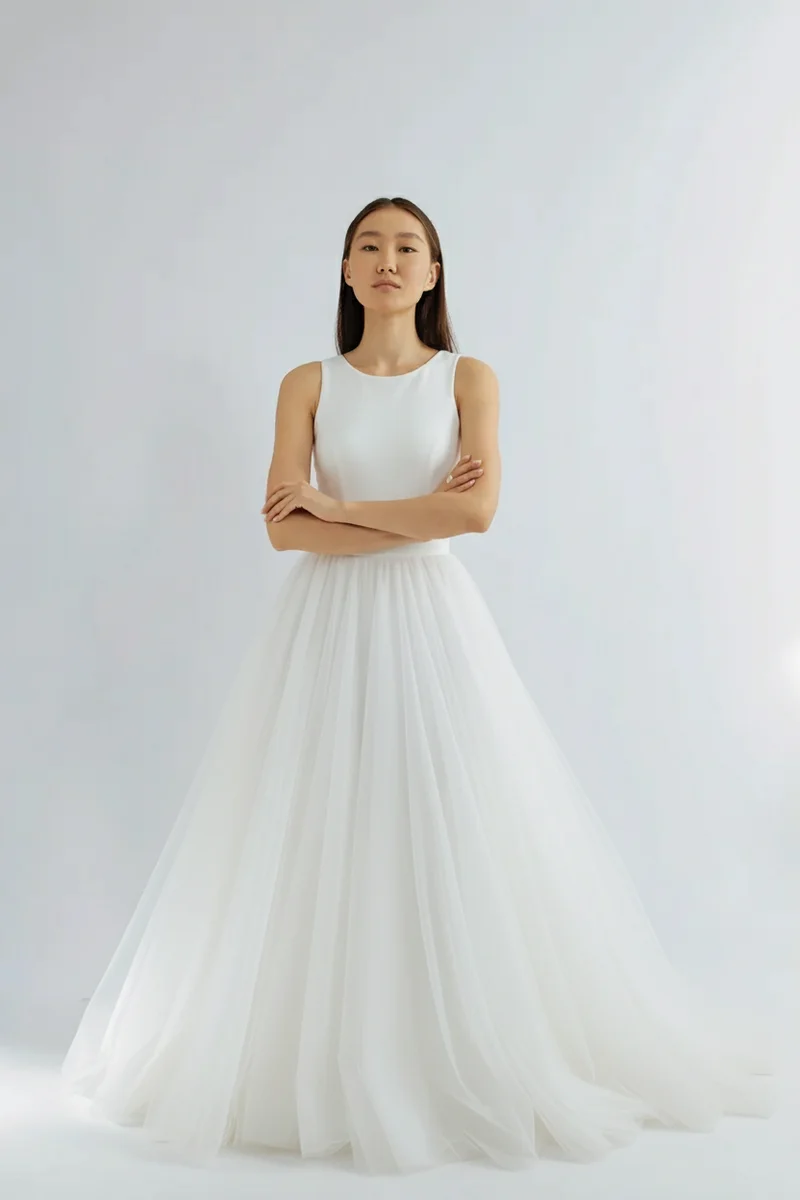
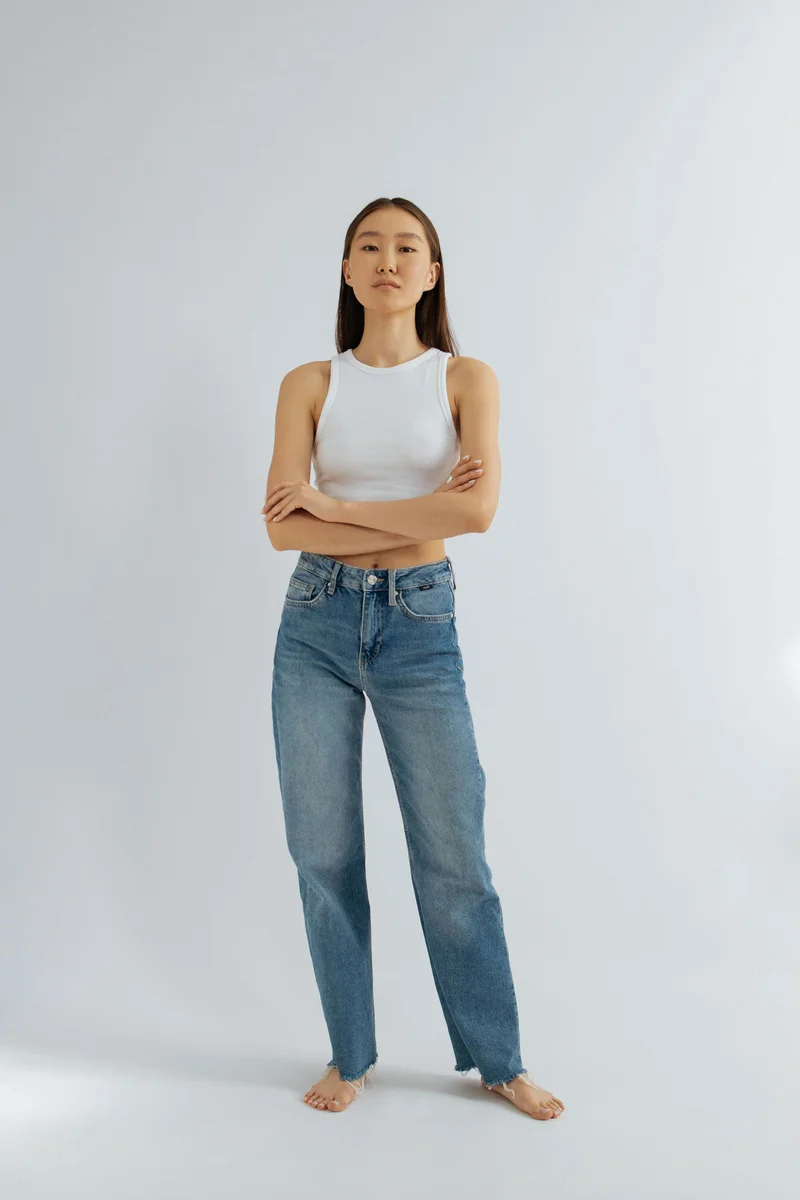
Upload one photo and preview this style on yourself in seconds. No appointment, no pressure.
 Her photo
What Is a Spring Formal Dress Code?
A spring formal dress code means floor-length or tea-length gowns in lightweight, season-appropriate fabrics and colors. Unlike winter formal events where dark tones and heavy materials dominate, spring formal calls for breathable fabrics, softer color palettes, and silhouettes that move with you. According to The Knot's 2025 Wedding Etiquette Guide, the distinction matters: showing up in a dark velvet gown at a garden gala reads as out of season, while a breezy chiffon midi at a black-tie dinner reads as underdressed.
The dress code hierarchy still applies, Black Tie, Formal, Semi-Formal, Cocktail, but spring adds a seasonal filter to each level. If you need a refresher on where formal sits in that hierarchy, our complete formal dresses guide breaks it all down.
Spring Formal Dress Trends You'll See Everywhere in 2026
Spring 2026 is pushing boundaries. According to Marie Claire's Spring 2026 Runway Report, the biggest shift is from "quiet luxury" toward bolder, more expressive silhouettes. Here's what's trending:
Drop waist dresses are the breakout silhouette of the season, the dropped seam elongates your torso and adds a retro elegance that photographs beautifully. Cape panels and trailing backs bring drama without the weight of traditional formal fabrics. Sheer lace overlays offer a romantic, layered look that works for both outdoor garden weddings and indoor galas.
Color-wise, the runway moved toward primary brights: striking reds, cobalt blues, and sunny yellows, alongside the ever-reliable pastel palette. Who What Wear's 2026 trend analysis calls it the "ice cream colour palette meets bold confidence" season, with Victoria Beckham's pastel slip dresses influencing the softer end.
Spring formal dresses in 2026 favor expressive silhouettes like drop waists and cape panels over the minimalist trends of previous seasons, making this the year to choose a dress that makes a statement.
| 2026 Trend | Best For | Formality Level |
|---|---|---|
| Drop Waist | Galas, sorority formals | Formal to semi-formal |
| Cape Panel / Trailing Back | Weddings, charity events | Black tie to formal |
| Sheer Lace Overlay | Garden weddings, outdoor events | Formal to cocktail |
| Primary Brights | Corporate events, evening galas | All levels |
| Pastel Slip Dress | Daytime weddings, brunches | Semi-formal to cocktail |
| One-Shoulder | Any spring formal event | All levels |
How Do You Choose a Spring Formal Dress for Your Body Type?
The best spring formal dress flatters your natural shape while keeping you comfortable for hours of standing, dancing, and socializing. Rather than hiding anything, the right silhouette works with your proportions. Here's a body-type-to-silhouette match that actually works:
| Body Type | Best Silhouettes | Spring Fabric Picks | Why It Works |
|---|---|---|---|
| Hourglass | Mermaid, fit-and-flare | Stretch satin, crepe | Follows your curves without restricting movement |
| Pear | A-line, ball gown | Chiffon, organza | Fitted top + flowing skirt balances proportions |
| Apple | Empire waist, column | Draped chiffon, soft jersey | Defines waist high, skims midsection |
| Rectangle | Drop waist, peplum | Structured satin, tulle | Creates curve definition and visual interest |
| Petite | Column, sheath, high-low | Lightweight satin, silk | Vertical lines elongate; avoid overwhelming volume |
| Plus-size | A-line, wrap dress | Stretch crepe, matte satin | Structure with give; flattering without clinging |
Bridal Consultant Tip: Bring a nude strapless bra and shapewear to every fitting (even if you think the dress looks fine without them. The right undergarments can completely change how a formal dress sits on your body, especially with lightweight spring fabrics that show every line.)
For detailed silhouette breakdowns, our wedding dress styles guide covers each shape in depth.
What Colors Work Best for Spring Formal Dresses?
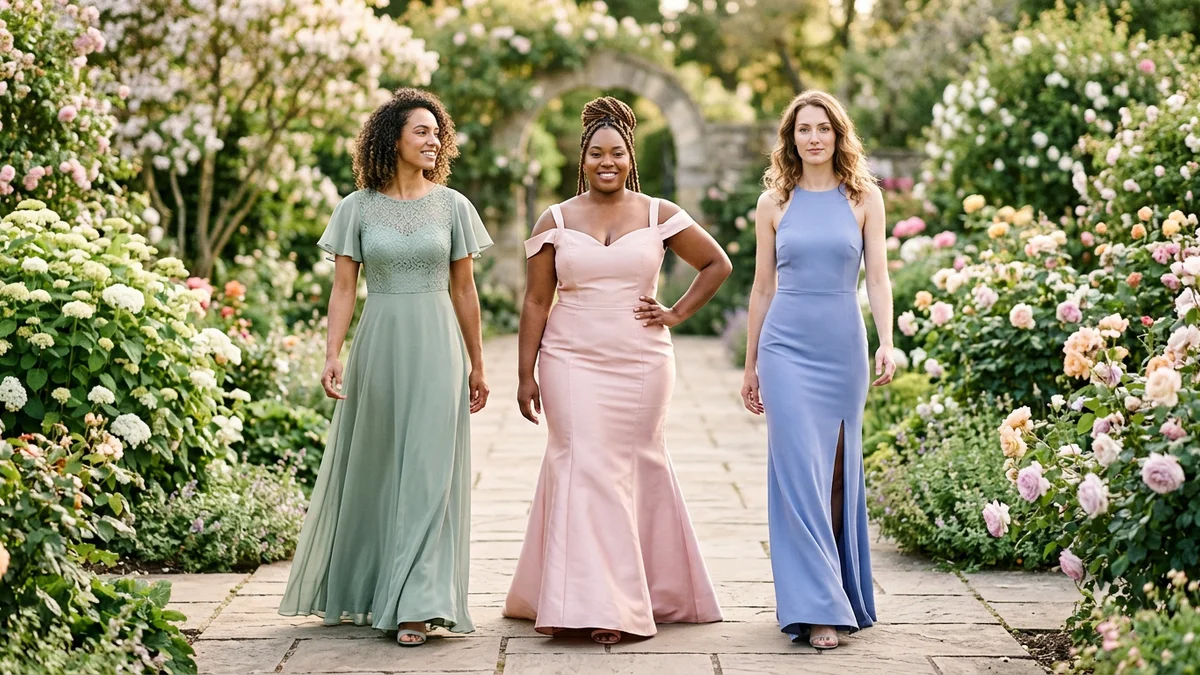
Skip the default black. Spring formal events call for colors that reflect the season's energy, blossoms, new growth, warmth returning. Here's what works and what to avoid:
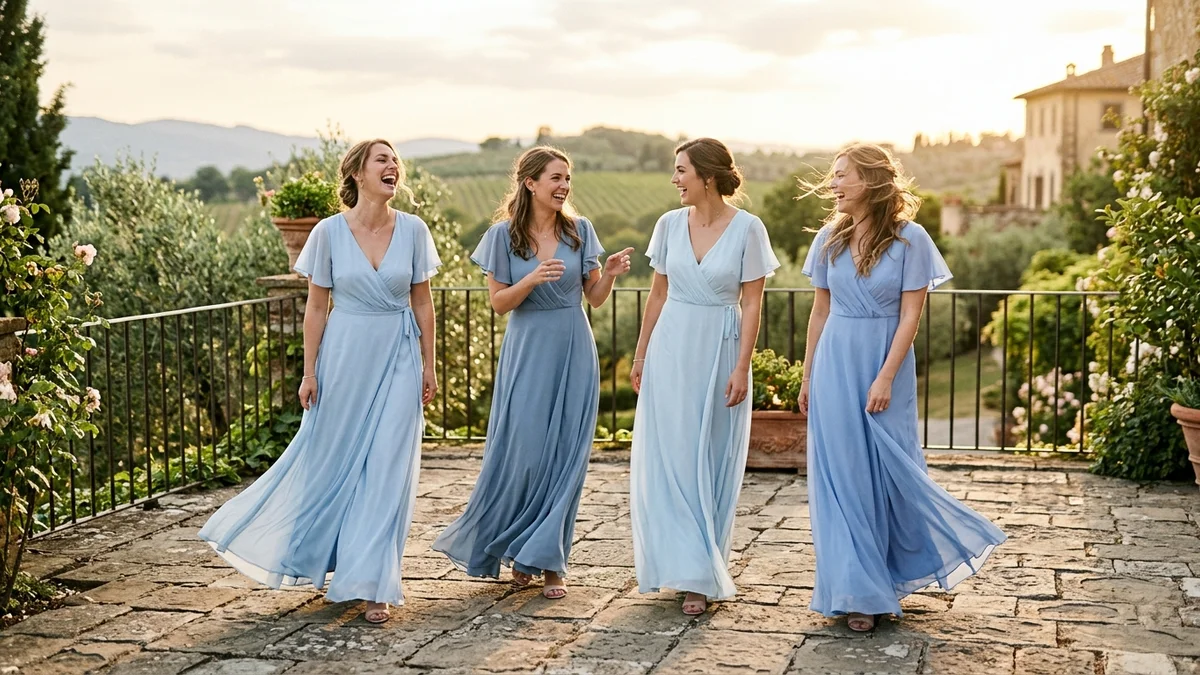
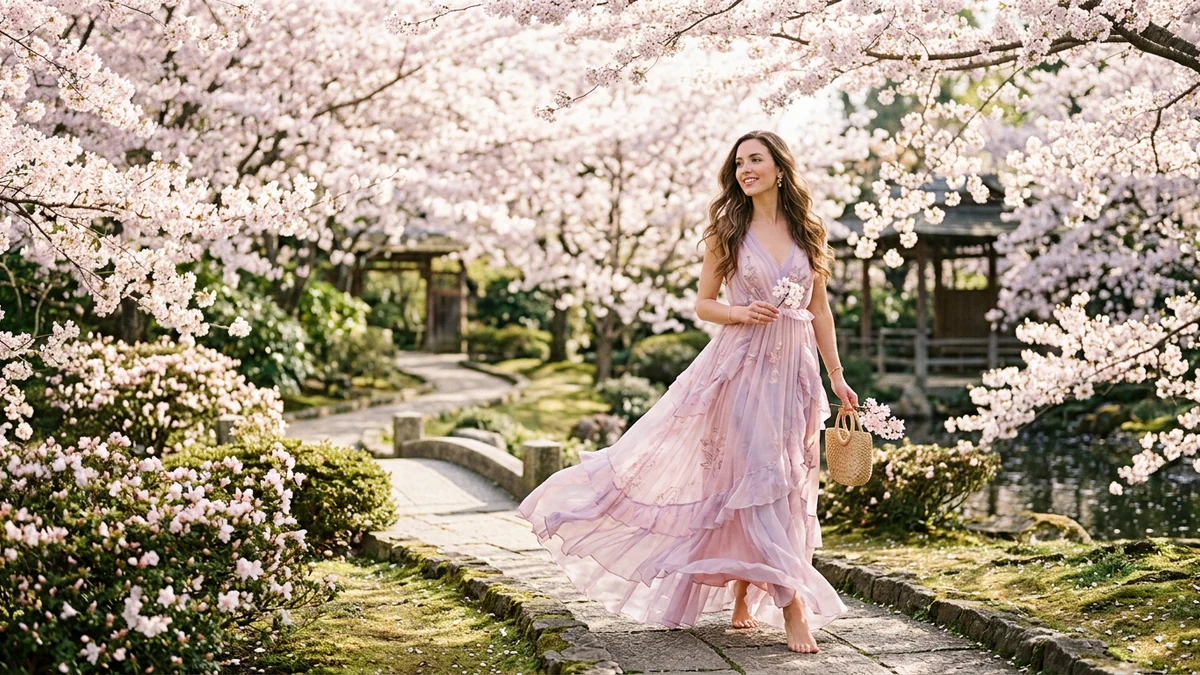
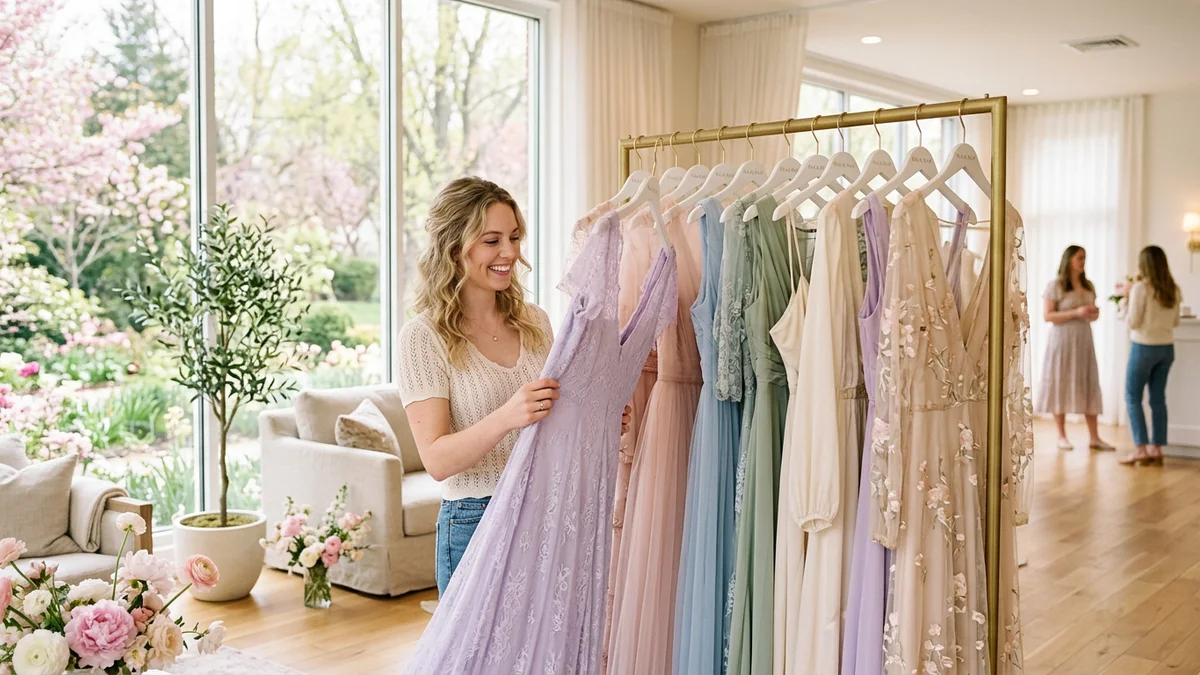
Go-to spring colors: Blush pink, sage green, lavender, powder blue, champagne, soft coral, butter yellow, and mint. These read as intentionally seasonal without being costumey.
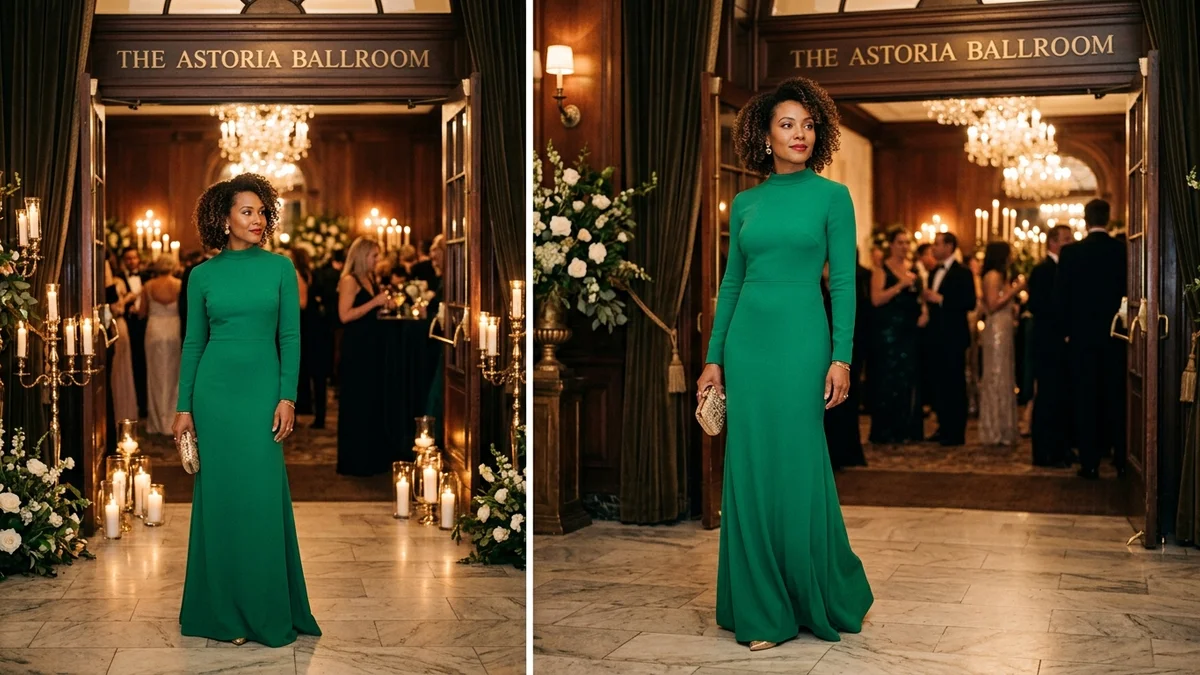
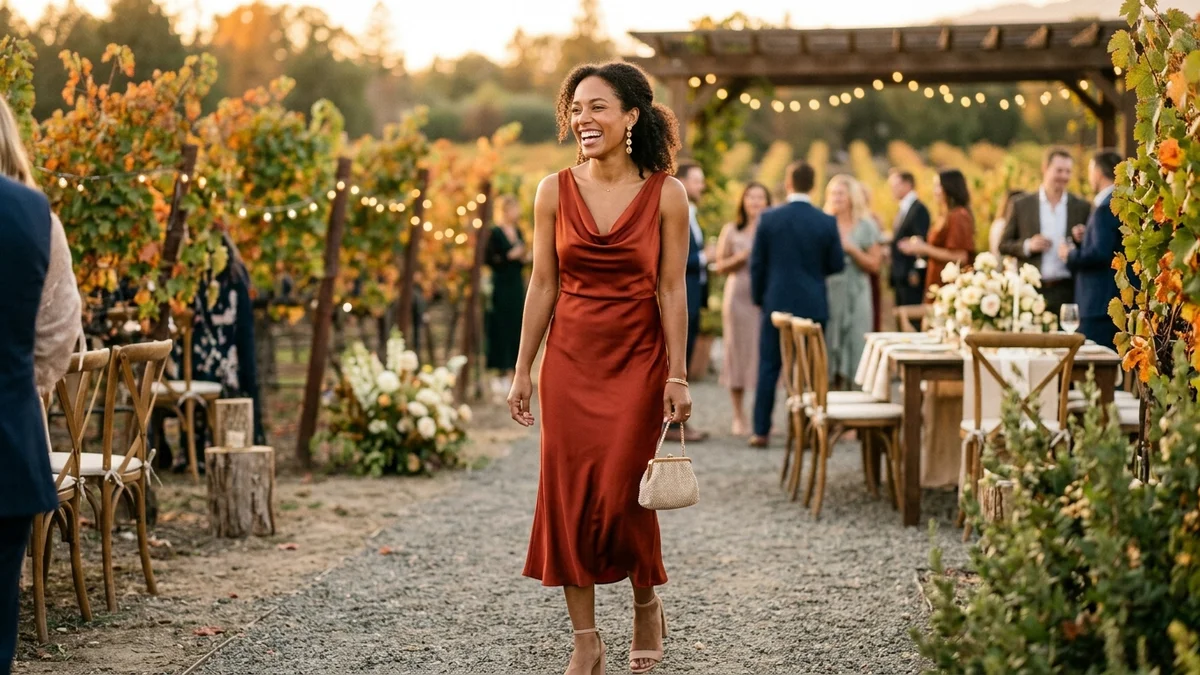
Bold choices that work: Emerald, cobalt blue, fuchsia, and sunset orange. According to Vogue's spring 2026 color forecast, bold solid colors are replacing the floral-everything trend from previous years.
Handle with care: White and ivory (too bridal at weddings), neon shades (too casual for formal), and all-black (reads as winter unless you add spring accessories).
Spring formal dresses in pastel shades like blush, lavender, and sage create an effortlessly seasonal look, while bold jewel tones signal confidence without breaking dress code rules.
Our spring wedding guest dresses guide dives deeper into color selection for specific spring wedding scenarios.
Best Fabrics for Spring Formal Dresses
Fabric choice makes or breaks your comfort at a spring event. The wrong material has you overheating by cocktail hour or shivering during an outdoor ceremony. Here's what works:
| Fabric | Weight | Best For | Spring Rating |
|---|---|---|---|
| Chiffon | Ultra-light | Outdoor events, garden parties | ★★★★★ |
| Organza | Light, structured | Galas, formal weddings | ★★★★☆ |
| Satin | Medium | Evening events, indoor galas | ★★★★☆ |
| Crepe | Light-medium | Any formal occasion | ★★★★★ |
| Silk | Light | High-end events | ★★★★★ |
| Tulle | Light, voluminous | Romantic events, weddings | ★★★☆☆ |
| Lace | Varies | Layered looks, cocktail | ★★★★☆ |
Avoid for spring: Velvet (too heavy, too warm), thick brocade (winter territory), and unlined polyester (traps heat and shows sweat).
Bridal Consultant Tip: If your event is outdoors, choose chiffon or crepe over satin. Satin wrinkles the moment you sit and shows humidity (chiffon forgives everything and moves beautifully in a spring breeze.)
Spring Formal Dresses by Event Type
Not all spring formal events are equal. A sorority formal has different expectations than a corporate gala. Here's your event-by-event breakdown, a perspective most guides miss entirely:
| Event Type | Ideal Length | Suggested Styles | Budget Range |
|---|---|---|---|
| Spring wedding (guest) | Floor or tea-length | A-line, column, one-shoulder | $100-$300 |
| Charity gala / benefit | Floor-length | Dramatic silhouettes, cape panel | $150-$500 |
| Sorority / college formal | Midi to floor | Slip dress, fit-and-flare, bold colors | $50-$200 |
| Corporate awards / dinner | Tea-length to floor | Sheath, column, structured crepe | $100-$350 |
| Prom | Floor-length | Ball gown, mermaid, high-low | $80-$400 |
| Garden party (formal) | Midi to tea-length | Floral A-line, wrap dress | $75-$250 |
For weddings specifically, our formal wedding guest dresses guide covers dress code nuances in detail.
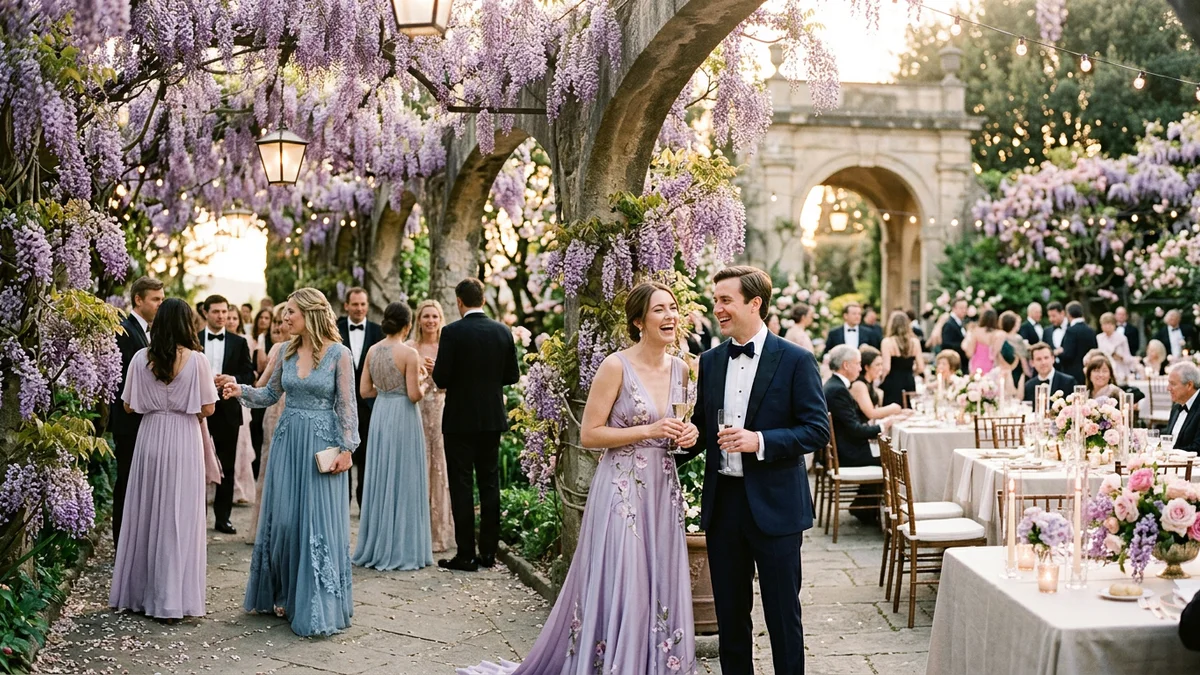
When You Love a Dress Online but Fear It Won't Look the Same on You
You've been scrolling for hours. You found three dresses that look stunning on the model, a lavender A-line, a bold coral mermaid, and a classic champagne column. But the models are 5'10", and you're 5'3". They're a size 4, and you're a 12. You've been burned before by online shopping: the fabric felt cheap, the color was nothing like the photos, and returning it was a two-week ordeal.
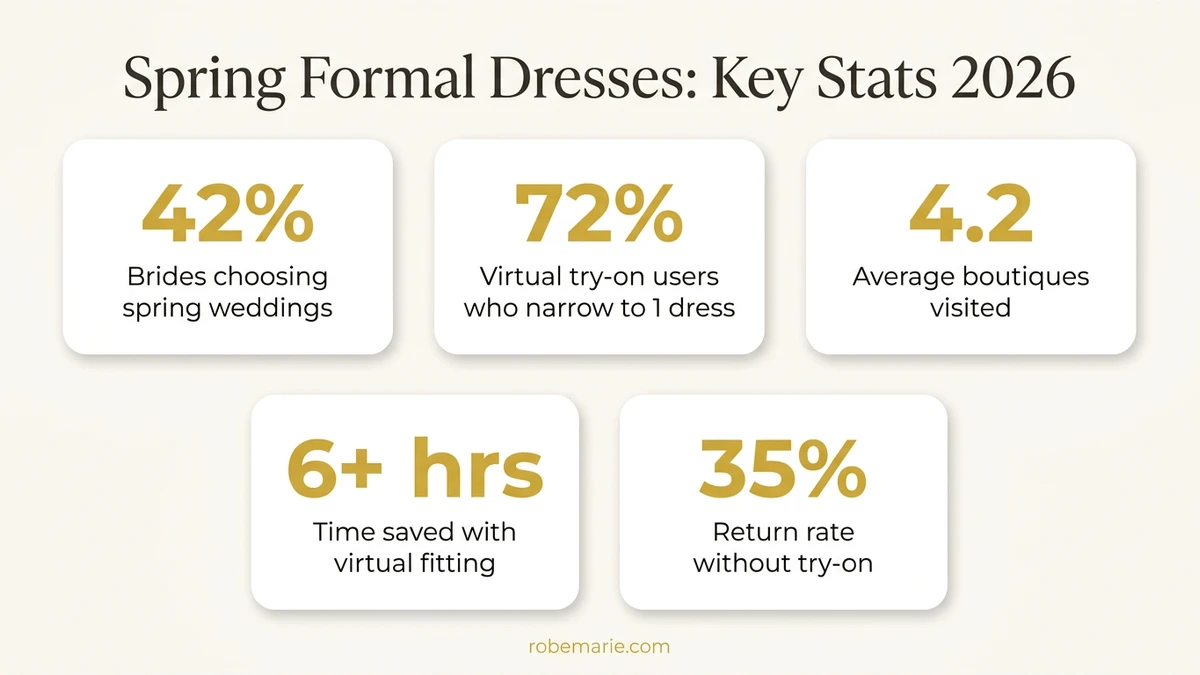
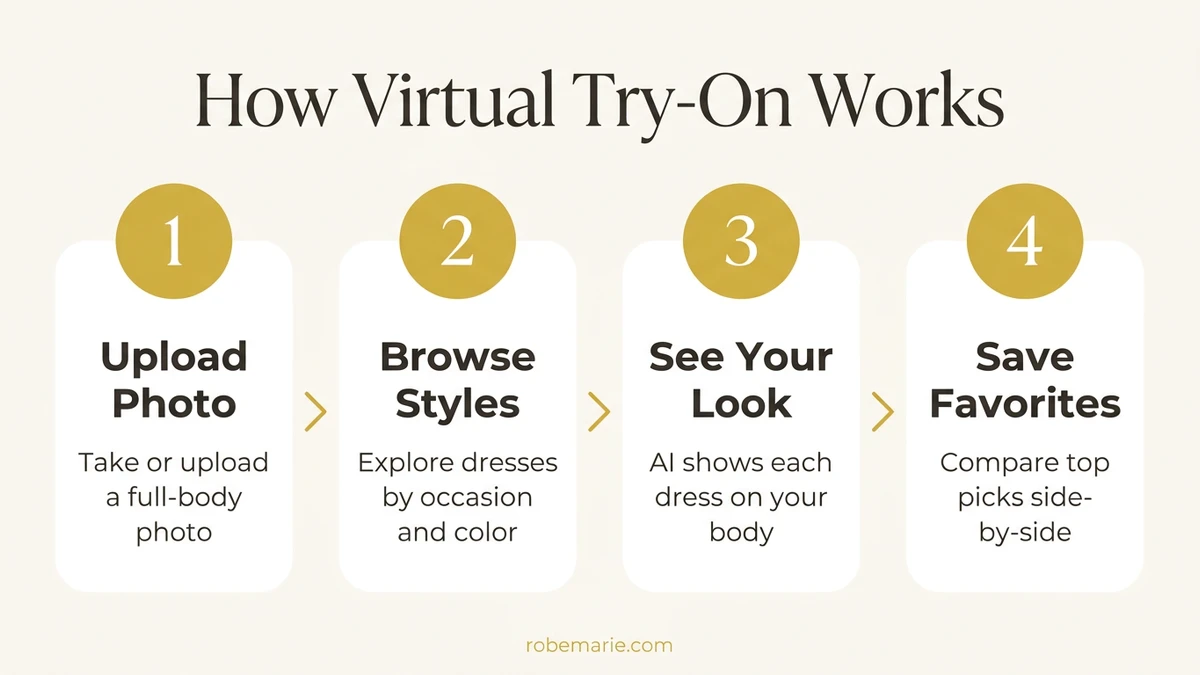
This is exactly where virtual try-on changes the game. Instead of gambling on a $200 dress based on a model photo, you can upload your own photo and see how each silhouette, color, and neckline actually looks on your body. No more imagining, you see it.
RobeMarie Insight: Based on RobeMarie virtual try-on data, 72% of users who tried three or more styles digitally were able to narrow their choice to a single favorite before making any purchase. The most-tried spring formal style in March 2026 was the A-line in pastel shades, followed closely by one-shoulder designs in bold colors.
Try your spring formal dress virtually with RobeMarie, upload a photo, browse styles, and see the results in minutes. No appointment needed, no pressure, no dressing room anxiety.
How to Accessorize Your Spring Formal Look
Accessories complete the look without competing with it. The rule for spring: lighter metals, natural textures, and seasonal touches.
Jewelry: Gold or rose gold for warm-toned dresses (blush, coral, champagne). Silver or white gold for cool tones (lavender, powder blue, sage). Statement earrings work if your neckline is simple. Skip the statement necklace with detailed bodices.
Shoes: Block heels or wedges for outdoor spring events, your heels will sink into grass. Strappy stilettos for indoor galas. Nude or metallic tones work with almost any dress color.
Bags: Small clutch or crossbody. Spring events often involve movement, cocktail hours, lawn games, dancing. Anything bigger than a clutch weighs you down.
Wraps: A pashmina, lightweight blazer, or cropped cardigan for unpredictable spring weather. Evening garden events can drop 15°F after sunset.
Frequently Asked Questions
What is the spring formal dress code?
Spring formal means floor-length or tea-length gowns in lightweight, seasonally appropriate fabrics like chiffon, satin, or crepe. Colors should reflect the season, pastels, soft brights, or elegant neutrals. The formality level follows your event's invitation wording, but spring adds a seasonal filter: lighter fabrics, brighter palettes, and breathable silhouettes.
Can I wear black to a spring formal event?
Yes, but style it seasonally. A black dress in a lightweight fabric like chiffon or crepe with spring-toned accessories, blush heels, gold jewelry, a floral clutch, works beautifully. Avoid heavy black fabrics like velvet or thick satin, which read as winter formal. According to Martha Stewart Weddings (2025), black remains acceptable at formal events year-round when styled appropriately.
What length dress is best for a spring formal?
Floor-length is traditional for black-tie and formal events. Tea-length (mid-calf) works for formal weddings, galas, and evening dinners. Midi length suits semi-formal spring events like sorority formals and garden parties. When in doubt, err toward longer, it's easier to dress down a floor-length gown with casual accessories than to dress up a short dress.
What's the difference between spring formal and semi-formal?
Spring formal requires floor-length or tea-length gowns in polished fabrics. Semi-formal allows knee-length and midi dresses in a wider range of materials. Our semi-formal wedding guest dresses guide explains the full distinction. The key difference: formal means evening-gown territory, while semi-formal means elegant cocktail.
What fabrics should I avoid for spring formal dresses?
Avoid velvet, heavy brocade, thick wool blends, and unlined polyester. Velvet and brocade are winter fabrics that will overheat you at any spring event. Unlined polyester traps heat and shows perspiration, especially problematic for outdoor venues. Stick to chiffon, crepe, silk, satin, and organza for spring.
How do I choose a spring formal dress for a petite frame?
Opt for column, sheath, or high-low silhouettes that create vertical lines. Avoid ball gowns or heavily layered tulle that overwhelm a smaller frame. A V-neckline elongates your torso. Heeled shoes add height, and a midi or tea-length hemline can actually make you appear taller than a floor-length gown that pools at your feet.
Are bright colors appropriate for spring formal events?
Absolutely. Spring 2026 runways featured bold primary colors, cobalt, fuchsia, sunny yellow, alongside traditional pastels. The key is choosing a solid bold color in a formal fabric rather than a neon shade in a casual material. A cobalt satin column dress reads as confidently elegant; a neon blue bodycon reads as nightclub.
When should I start shopping for a spring formal dress?
Start six to eight weeks before your event. This gives you time to try options, order if needed, and schedule alterations. According to bridal styling experts, last-minute shopping leads to panic purchases you regret. If you're shopping online, add an extra week for shipping and potential returns. RobeMarie's virtual try-on can accelerate this process by helping you eliminate styles that don't work before you spend a dollar.
Your Spring Formal Dress Journey Starts Here
Finding the right spring formal dress doesn't have to be overwhelming. Start with your event type and dress code. Then narrow by your body type and the silhouettes that flatter it. Pick a color that makes you feel alive, whether that's a soft lavender or a bold coral. Choose a fabric that works with your venue and the spring weather.
And if you want to skip the guesswork entirely, try RobeMarie's virtual try-on. Upload your photo, browse spring formal styles, and see exactly how each one looks on you, from the comfort of your couch, with no salespeople and no pressure. Your perfect spring dress is closer than you think.